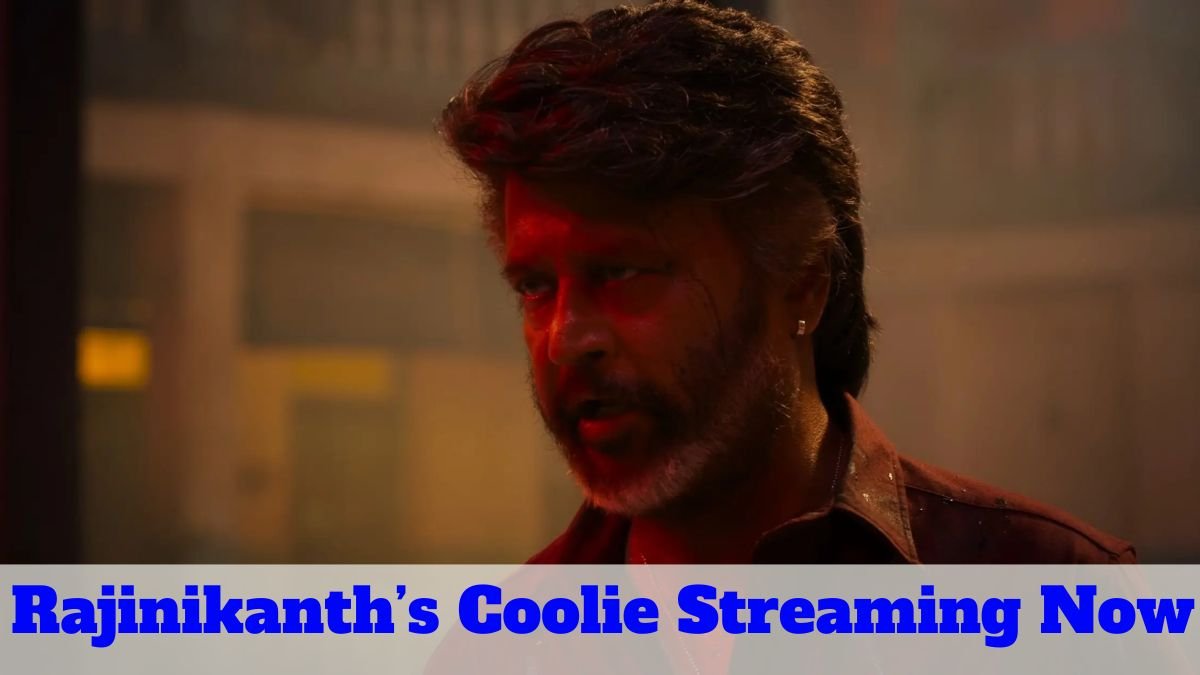
South Indian superstar Rajinikanth’s film ‘Coolie’ is now available on streaming platforms worldwide. His fans and film enthusiasts were eagerly awaiting its release. As soon as the film was released, it became a hot topic of discussion on social media. While some praised Rajinikanth’s style, screen presence, and classic action, others questioned the plot holes in the film. In this article, we will discuss in detail how acceptable plot holes are in a film of this scale and how audiences perceive them.
In this article, we will analyze ‘Coolie’ through 10 key points and try to understand whether the film’s flaws affect its overall impact, or if Rajinikanth’s star power still overshadows everything else.
Rajinikanth’s Star Power: Can it hide everything?
First, it’s important to understand that Rajinikanth’s name itself is a brand. His fans idolize him. When ‘Coolie’ was released, trends like “Thalaivar is Back” started trending on social media. Audiences showered praise on his entry scene, his stylish walk, and his dialogue delivery.
But the question is, can this stardom hide the film’s flaws? Many critics say that Rajinikanth’s screen presence is so captivating that audiences focus on his acting talent and overlook the shortcomings in the story. However, in this era of social media, any plot hole can go viral instantly, leading to widespread criticism.
Lack of Logic in the Story: What bothered the audience?
There are several plot twists in the film that viewers found unrealistic. For example, the hero’s improbable escapes, the villains’ carelessness, and sudden plot shifts without any logical basis surprised the audience.
Many users on social media wrote, “Can’t they even get this right in a film starring such a big star?” So, some wrote, “This film is for fans, not for logic.” This is where the trolling culture kicks in.
Many young viewers criticized the film’s storyline, creating and sharing memes. Such reactions can determine a film’s success or failure in today’s digital world.
Social Media Impact: Trolling, Memes, and Viral Content
In today’s era, a film’s success doesn’t depend solely on the number of viewers in theaters. Social media reactions shape the film’s image. The same happened with Coolie.
As soon as the film was released, reactions started pouring in on Twitter, Instagram, and YouTube. Troll accounts mocked the film’s plot holes, while fans shared Rajinikanth’s scenes, saying, “It all works.”
Several YouTube channels uploaded videos like “Top 10 Mistakes in Coolie,” garnering millions of views. Some content creators praised the film, saying, “This film is for entertainment, not for realism.”
Defining Plot Holes: How Many Are Too Many?
Every film has some logical inconsistencies. But the question is, how many are too many for the audience to tolerate? Coolie might not have had many plot holes, but the ones it did have affected the story’s credibility.
For example, the sudden reappearance of certain characters, illogical conflicts, and implausible events undermine audience trust. Some called it “unlogical but entertaining,” while others called it “the film’s biggest flaw.”
This raises the question: Do audiences want entertainment more than logic, or is story credibility also important to them?
Critics’ Opinions: Should the Film Be Accepted?
Many film critics rated Coolie as an average film. They say the storyline is simple, but Rajinikanth’s screen presence saves it. Some critics wrote, “The film’s aim is entertainment, not realism.” On the other hand, some critics called it “fan service,” arguing that the plot was secondary. They also suggested that the film could have been even better if it had a more coherent storyline.
These reviews strike a balance between audience reactions, highlighting what the film does well and where it could improve.
Fan Reaction: A Mix of Love, Support, and Criticism
A significant portion of the audience for “Coolie” comprises Rajinikanth’s dedicated fans. These fans posted on social media, stating that they “don’t care about logic, they just want the style.”
Some even created memes using dialogues from the film, which went viral. However, general audiences criticized the film’s plot flaws, suggesting that it could have been much better.
This reflects the diversity of the audience—some prioritize entertainment, while others seek depth and substance in a story.
Lessons for the Film Industry: Evolving Audience Expectations
The mixed reactions to “Coolie”—from both fans and critics—demonstrate that the film industry must adapt to evolving audience expectations.
Today’s audience reacts instantly via their smartphones. Any flaws in the story are immediately exposed. This means that filmmakers need to pay more attention to the narrative, crafting a balanced film that entertains while maintaining credibility.Film makers are now incorporating social media teams to enhance pre-release promotional campaigns and understand audience reactions.
Troll Culture and Mindset: Is it doing more harm than good?
While trolling is a form of audience expression, it can sometimes damage a film’s image. In the case of Coolie, some trolls ridiculed every flaw in the film, creating an atmosphere that overshadowed the actual story.
Many film enthusiasts argued that constructive criticism is more beneficial than trolling. Positive reviews encourage audiences to watch a film, while negative trolling can sometimes harm even good work.
This poses a challenge for the film industry—how to maintain positive discourse amidst the troll culture.
Is entertainment more important than the story?
This is the biggest question that Coolie raised. Do audiences watch films solely for star power and entertainment, or do they also value the credibility of the story?
The film proved that entertainment, action, and star power are still primary attractions for audiences. However, a segment of the younger audience is also looking for films that convey a social message and have depth in their storytelling.