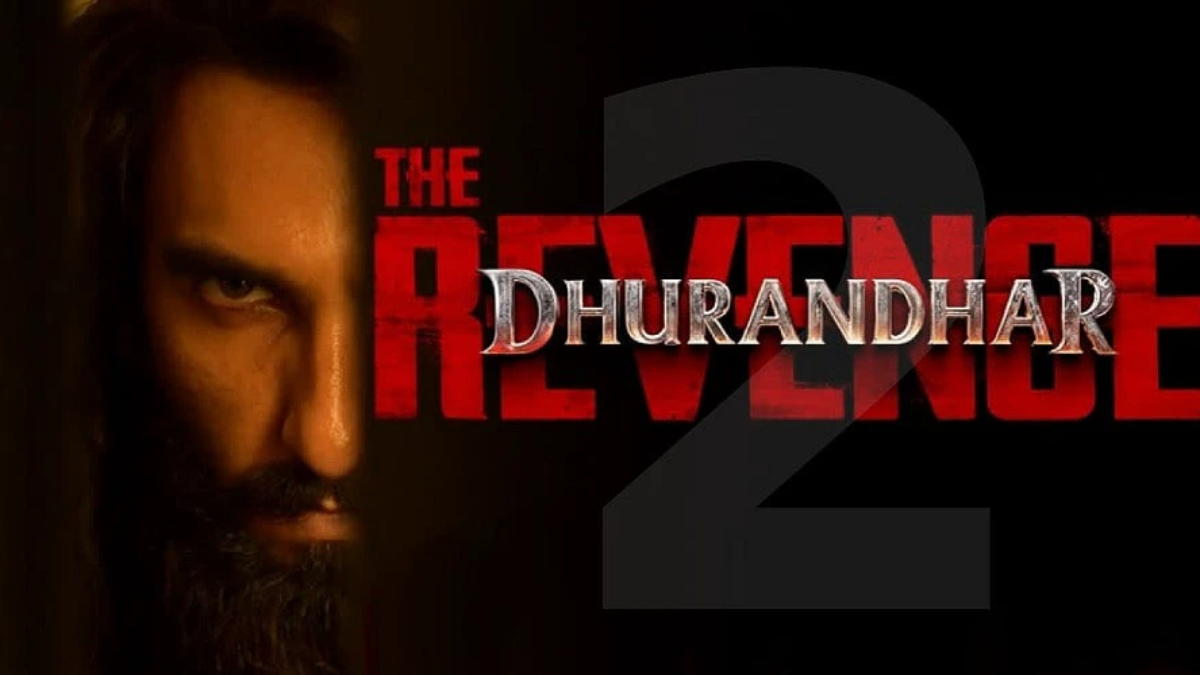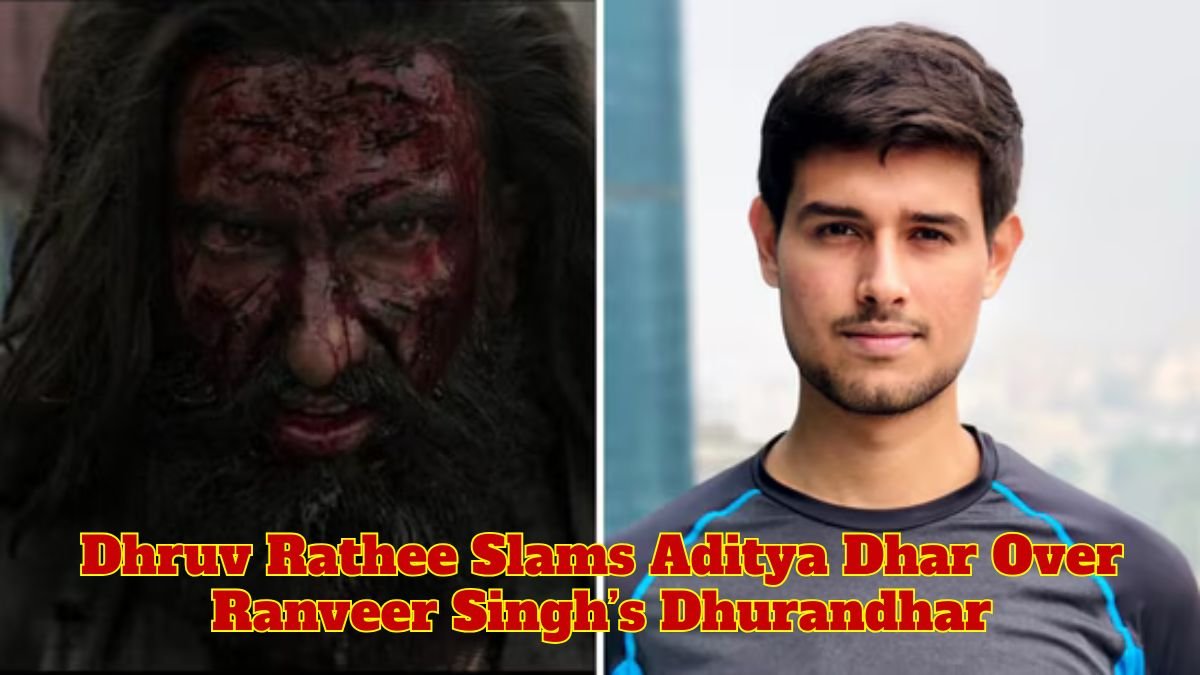
Bollywood is often in the news for its glamorous image and big projects. But sometimes, controversy or criticism surrounding a film can become more prominent, a recent example being the film “Dhurandhar.” Known for his outspoken and outspoken style on social media and YouTube, Dhruv Rathee recently launched a scathing attack on the film. He not only criticized the film’s content but also targeted its director, Aditya Dhar.
In his statement, Dhruv Rathee stated that the violence depicted in the film, and some scenes, can be compared to ISIS videos and images of severed heads. He also alleged that Aditya Dhar’s filmmaking was unbridled by money, meaning the film was made solely for profit, without any social or cinematic value in mind.
Dhruv Rathee’s Influence on Social Media
Dhruv Rathee has been renowned for his critical and factual videos for several years. He openly expresses his opinions not only on films but also on political and social issues. His statement immediately went viral in Bollywood. People began discussing it on Twitter, Instagram, and Facebook.
Many are praising Dhruv Rathee’s courage in criticizing big stars and famous directors, while others are finding it excessive and controversial. However, it’s clear that Dhruv Rathee’s opinion once again proves that cinema isn’t just a source of entertainment; it can also be a source of serious debate.
Dhurandhar’s Content and Controversy
Dhurandhar was recently released and heavily promoted. However, some scenes in the film, especially the violence and war scenes, proved to be too graphic and sensitive for people. Dhruv Rathee stated that the film’s portrayal of violence is so extreme that it would be unacceptable for the average audience.
He also emphasized that the film appears to have been made solely for commercial gain. According to him, Aditya Dhar made the film with a big budget and high-profile stars solely for the sake of profit, ignoring the quality of cinema and the importance of the story.
Allegations against Aditya Dhar and their impact
According to Dhruv Rathee, the primary objective of Aditya Dhar’s films is to make money and utilize star power. This allegation came as a shock to many film critics and audiences, as Aditya Dhar is already considered a successful director.
Dhruv Rathee also said that when filmmakers make films solely for financial gain, the fundamental purpose of cinema—connecting society and emotions through stories—is compromised. Audiences no longer come to watch films solely for glamour and action; they expect a story, a message, and a sensitive presentation.
Social Media Reactions and Debate
Dhruv Rathee’s statement sparked a storm of debate on social media. Some users praised his courage, while others called him overly dramatic and controversial. #DhruvRathee and #Dhurandhar began trending on Twitter, and his videos garnered millions of views on YouTube.
This debate also demonstrated that today’s audience doesn’t just watch a film, but also evaluates the thought and message behind it. Audiences are now also paying attention to what directors want to convey through their films, and whether they are simply pursuing profits.
Bollywood and Criticism: An Old Struggle
Criticism and controversy are nothing new in Bollywood. Serious allegations have often been leveled against major stars and directors, but this case is different because it addressed socially sensitive topics.
Dhruv Rathee openly stated that sometimes the violence and extreme scenes depicted in films are not only detrimental to entertainment but can also have a negative impact on society. He appealed to audiences to not view films solely as visual entertainment, but to also understand the underlying message and social impact.
Dhruv Rathee’s Message and Future Films
Dhruv Rathee’s statement isn’t limited to the film “Dhurandhar” (Dhurandhar). His message is that filmmakers shouldn’t make films solely for profit, but rather prioritize storytelling and social responsibility. He stated that audiences are becoming more aware and will appreciate producers and directors who make films for society and art, not just for money.
This indicates that in the future, Bollywood films won’t succeed solely on the basis of big stars and high budgets, but will also focus on story, message, and quality.
Conclusion: Controversy and Conscious Audiences
Dhruv Rathee’s statement sparks an important debate in Bollywood. This debate isn’t just about one film, but focuses on the future of cinema, the director’s responsibility, and audience awareness.
Dhruv Rathee clearly stated that if filmmakers make films solely for profit, audiences are ready to face the consequences. And this is the message every producer and director in Bollywood should heed.
Ultimately, this controversy isn’t just negative, but rather an opportunity to strengthen the dialogue between cinema and audiences. Audiences are no longer just observers, but also thinkers.