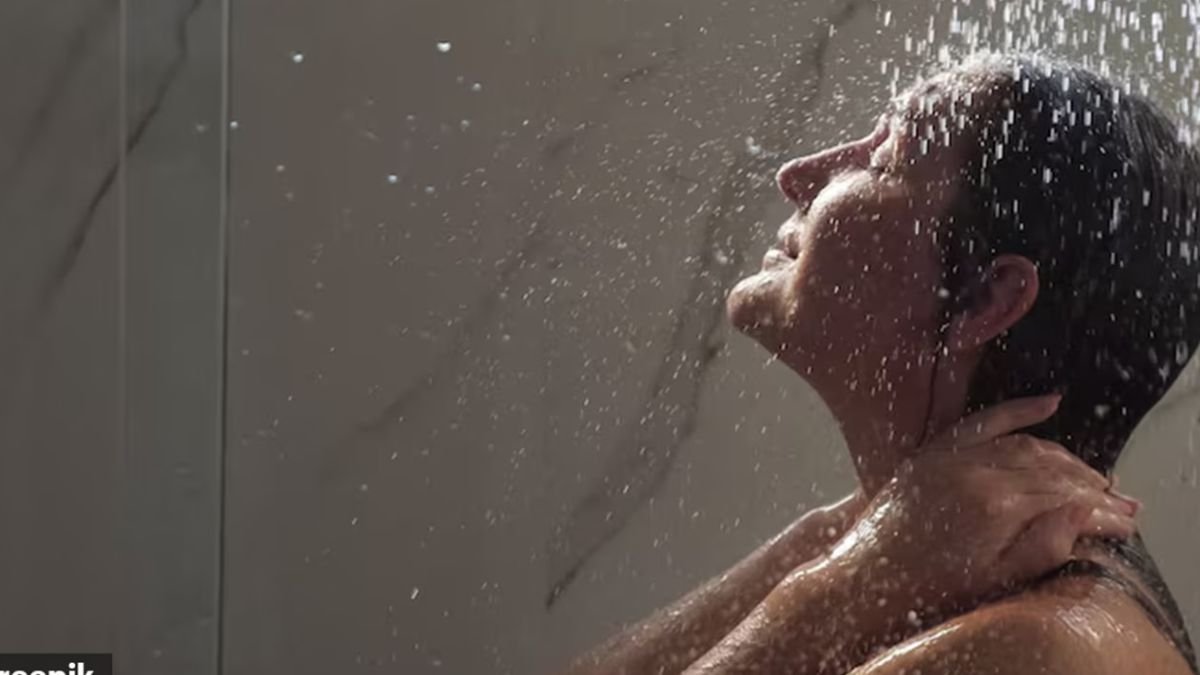
When we think about skin aging, most of us immediately blame the sun. UV exposure has long been considered the biggest culprit behind wrinkles, fine lines, and dull skin. But what if one of the most common daily habits—your shower—could be quietly accelerating the aging process even faster? Many skin experts now warn that consistently using very hot water can damage your skin barrier, strip essential oils, and lead to premature aging over time. This doesn’t mean UV rays are harmless, but it does highlight how everyday routines can have a surprisingly strong impact on your skin’s health.
Below are 10 key insights that explain how shower temperature affects your skin and why adjusting it could make a visible difference.
Hot Water Strips Natural Oils from the Skin
Your skin naturally produces oils that keep it soft, hydrated, and protected. When you shower with very hot water, these oils are washed away more aggressively than they would be with lukewarm water. Over time, this leads to dryness and a rough skin texture. Without these protective oils, your skin becomes more vulnerable to environmental stress, which can speed up the aging process.
Damage to the Skin Barrier
The skin barrier is your body’s first line of defense against pollution, bacteria, and moisture loss. Hot showers weaken this barrier by disrupting its natural structure. Once compromised, your skin struggles to retain hydration and becomes prone to irritation. A damaged barrier often results in redness, sensitivity, and early signs of aging like fine lines.
Increased Moisture Loss
One of the biggest effects of hot water is transepidermal water loss, where moisture escapes from the skin more quickly than it should. Even though your skin feels warm and relaxed after a hot shower, it is actually losing hydration rapidly. Dehydrated skin tends to look dull and aged, with fine lines becoming more noticeable.
Triggers Inflammation and Redness
Frequent exposure to high temperatures can trigger low-level inflammation in the skin. You might notice redness or a flushed appearance after a hot shower. While it may seem temporary, repeated inflammation can break down collagen over time, which is essential for keeping skin firm and youthful.
Weakens Collagen and Elasticity
Collagen and elastin are proteins responsible for maintaining your skin’s structure and elasticity. Excessive heat can gradually weaken these proteins, making your skin less firm and more prone to sagging. While UV exposure directly damages collagen through radiation, hot water contributes indirectly by creating an environment where collagen breaks down faster.
Makes Skin More Sensitive
If your skin often feels itchy, tight, or irritated after a shower, the temperature could be the reason. Hot water increases sensitivity by stripping away protective layers and exposing delicate skin underneath. Sensitive skin tends to age faster because it reacts more strongly to external stressors like pollution and harsh products.
Disrupts Your Skincare Routine
Even the best skincare products can become less effective if your shower habits are damaging your skin. When your barrier is weakened, serums and moisturizers may not absorb properly or may even cause irritation. This means you’re not getting the full benefit of your routine, which can slow down your efforts to maintain youthful skin.
Causes Long-Term Dryness and Flakiness
Chronic dryness is one of the earliest signs of aging. Hot showers can turn temporary dryness into a long-term issue. Flaky, dehydrated skin not only looks older but also feels uncomfortable. Over time, this dryness can deepen fine lines and make your complexion appear uneven.
Creates a False Sense of Relaxation
Hot showers feel incredibly soothing, especially after a long day. However, this comfort can be misleading. While your muscles relax, your skin may be under stress. The warmth can give a temporary glow, but underneath, your skin might be losing essential moisture and strength. This contrast makes it easy to overlook the long-term damage.
Lukewarm Water Is the Healthier Alternative
The good news is that you don’t have to give up showers—just adjust the temperature. Lukewarm water is ideal for maintaining your skin’s natural balance. It cleans effectively without stripping away essential oils or damaging the barrier. Pairing this with gentle cleansers and immediate moisturizing after your shower can significantly reduce the risk of premature aging.
Final Thoughts
While UV exposure remains a major factor in skin aging, it’s not the only one. Everyday habits like showering play a bigger role than most people realize. Consistently using hot water can weaken your skin over time, leading to dryness, sensitivity, and early signs of aging. The impact may not be immediate, but it builds gradually, making it easy to overlook.
The key takeaway is simple: small changes can make a big difference. By lowering your shower temperature and taking steps to protect your skin barrier, you can maintain healthier, more youthful-looking skin in the long run. Sometimes, the secret to better skin isn’t found in expensive products but in the everyday choices you make.