Sunscreen has long been recognized as one of the most important tools for protecting the skin from premature aging, sunburn, and long-term sun damage. In a country like Australia, where UV levels are among the highest in the world, sunscreen use is often considered a daily necessity rather than an optional skincare step. However, according to many Japanese beauty specialists, the problem is not that Australians are skipping sunscreen altogether—it is that many are applying it incorrectly.
Japanese skincare culture places a strong emphasis on prevention, consistency, and proper technique. Beauty experts in Japan often believe that even the best sunscreen cannot provide adequate protection if it is not applied in the right amount or at the right times. The result is a common mistake that may leave the skin more vulnerable to UV damage than people realize. Let’s explore the issue in detail and learn how small adjustments can make a significant difference.
The Most Common Mistake Is Applying Too Little Sunscreen
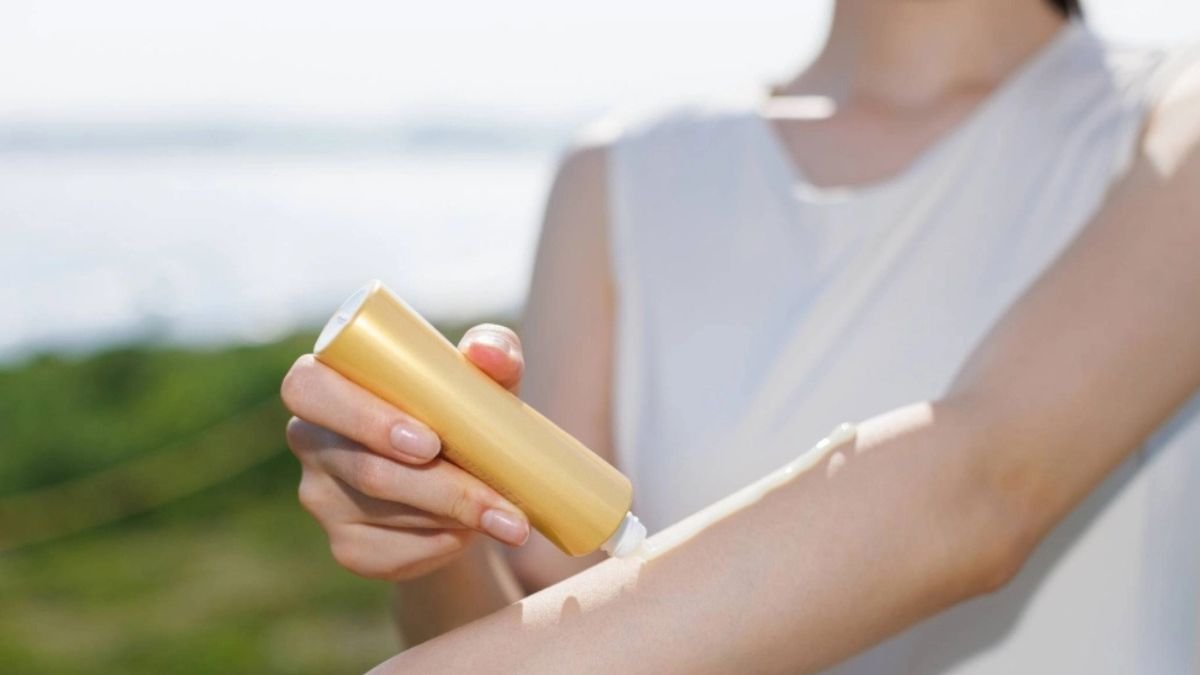
One of the biggest concerns highlighted by Japanese beauty specialists is that many people simply do not apply enough sunscreen. Most sunscreen products are tested in laboratories using a specific amount to achieve the SPF rating displayed on the label.
When less than the recommended amount is used, the actual protection level can drop dramatically. Many people apply only a thin layer to make the product feel lighter or to avoid a greasy appearance. Unfortunately, this often reduces effectiveness and leaves parts of the skin exposed to harmful UV rays.
SPF Ratings Depend on Proper Application
A sunscreen labeled SPF 50 can only provide its advertised protection when applied correctly. Japanese skincare experts frequently remind consumers that SPF numbers are based on controlled testing conditions.
If only half the required amount is applied, the skin may receive significantly less protection than expected. This creates a false sense of security, especially during long periods outdoors. Understanding this principle is one of the first steps toward better sun protection.
Many People Miss Key Areas of the Face
Another common issue is uneven application. While people often focus on obvious areas such as the cheeks and forehead, smaller regions are frequently overlooked.
Japanese beauty professionals often point out areas such as the ears, hairline, eyelids, jawline, neck, and around the nose. These spots receive substantial sun exposure but are easy to forget during a rushed morning routine. Over time, neglected areas can develop signs of sun damage even when the rest of the face is protected.
Reapplication Is Just as Important as Initial Application
Applying sunscreen once in the morning does not guarantee all-day protection. Sweat, oil production, touching the face, and environmental factors gradually reduce sunscreen effectiveness.
Japanese beauty experts emphasize reapplication throughout the day, especially after outdoor activities, exercise, or swimming. This habit is deeply integrated into many Japanese skincare routines and is often considered just as important as the first application of the day.
Australian Sun Exposure Requires Extra Attention
Australia experiences some of the strongest UV radiation levels in the world. As a result, sun protection habits that may seem sufficient in other regions may not provide adequate defense under Australian conditions.
Japanese specialists often note that individuals living in high-UV environments need to be particularly diligent about sunscreen use. Higher exposure levels mean that even small mistakes can have a larger impact on long-term skin health.
Sunscreen Should Be Part of a Layered Protection Strategy
One lesson commonly emphasized in Japanese skincare culture is that sunscreen should not be viewed as the only line of defense against UV damage.
Protective clothing, sunglasses, wide-brimmed hats, and seeking shade during peak sunlight hours all contribute to healthier skin. Sunscreen works best when combined with other protective measures rather than being relied upon as a standalone solution.
Consistency Matters More Than Occasional Perfection
Many people apply sunscreen carefully before a beach trip but neglect it during everyday activities. Japanese beauty specialists often advocate a different approach—daily consistency.
UV exposure occurs while driving, walking outside, sitting near windows, or running errands. These small exposures add up over months and years. Applying sunscreen every day, regardless of weather conditions, helps create a strong foundation for long-term skin protection.
Proper Application Can Help Prevent Premature Aging
One of the primary reasons sunscreen is valued in Japanese skincare routines is its role in preventing visible signs of aging. Excessive UV exposure accelerates collagen breakdown, leading to fine lines, wrinkles, uneven pigmentation, and loss of skin elasticity.
By applying sunscreen correctly and consistently, individuals may reduce many of the skin changes commonly associated with premature aging. This preventive approach aligns closely with the Japanese philosophy of maintaining healthy skin rather than correcting damage later.
Lightweight Formulas Make Daily Use Easier
Some people avoid using enough sunscreen because they dislike the texture of certain products. Modern sunscreen formulations, however, have become much lighter and more comfortable to wear.
Japanese skincare brands are particularly known for creating sunscreens that feel lightweight, absorb quickly, and layer well under makeup. Finding a product that suits your skin type can make it easier to apply the recommended amount every day without discomfort.
Small Changes Can Deliver Long-Term Benefits
Perhaps the most important lesson from Japanese beauty specialists is that better sun protection does not require a complete lifestyle overhaul. Often, the solution involves simple improvements such as applying a sufficient amount, covering overlooked areas, and remembering to reapply.
These small adjustments may seem insignificant in the short term, but their cumulative effect over years can be substantial. Protecting the skin consistently helps preserve its appearance and supports overall skin health throughout life.
Final Thoughts
The critical sunscreen application error that Japanese beauty specialists frequently highlight is surprisingly simple: many people do not apply enough sunscreen or fail to reapply it when needed. While sunscreen itself remains one of the most effective tools for protecting the skin, its benefits depend heavily on proper use.
For Australians facing intense UV exposure, paying attention to application techniques can make an even greater difference. Ensuring adequate coverage, remembering often-forgotten areas, and maintaining consistent daily protection are all essential habits for healthier skin.
Ultimately, Japanese skincare wisdom reminds us that prevention is always easier than repair. A few extra moments spent applying sunscreen correctly today may help protect your skin from years of unnecessary damage in the future. By making sunscreen a consistent and properly executed part of your routine, you can enjoy stronger protection, healthier skin, and greater confidence in the years ahead.