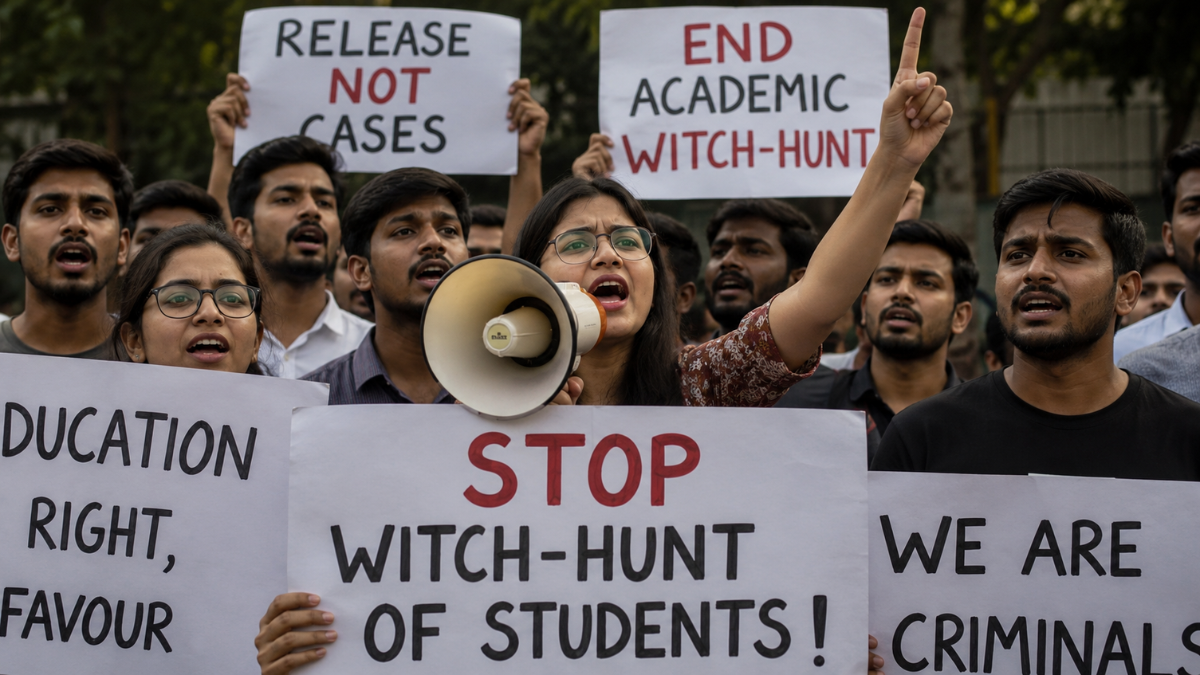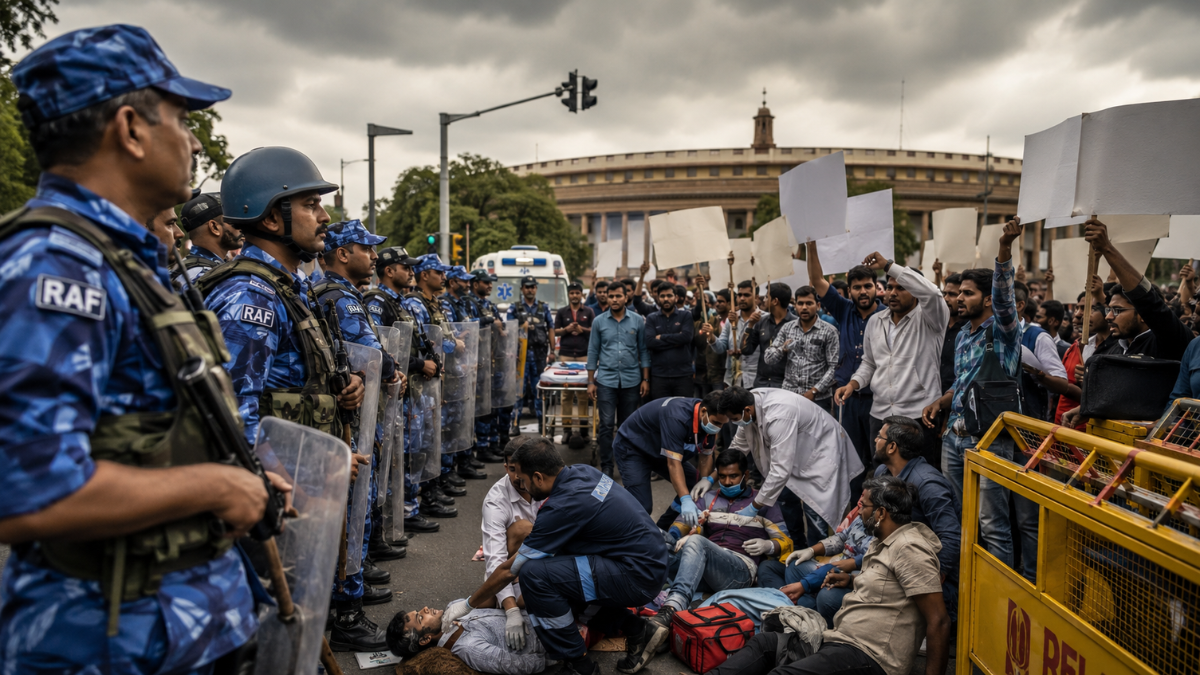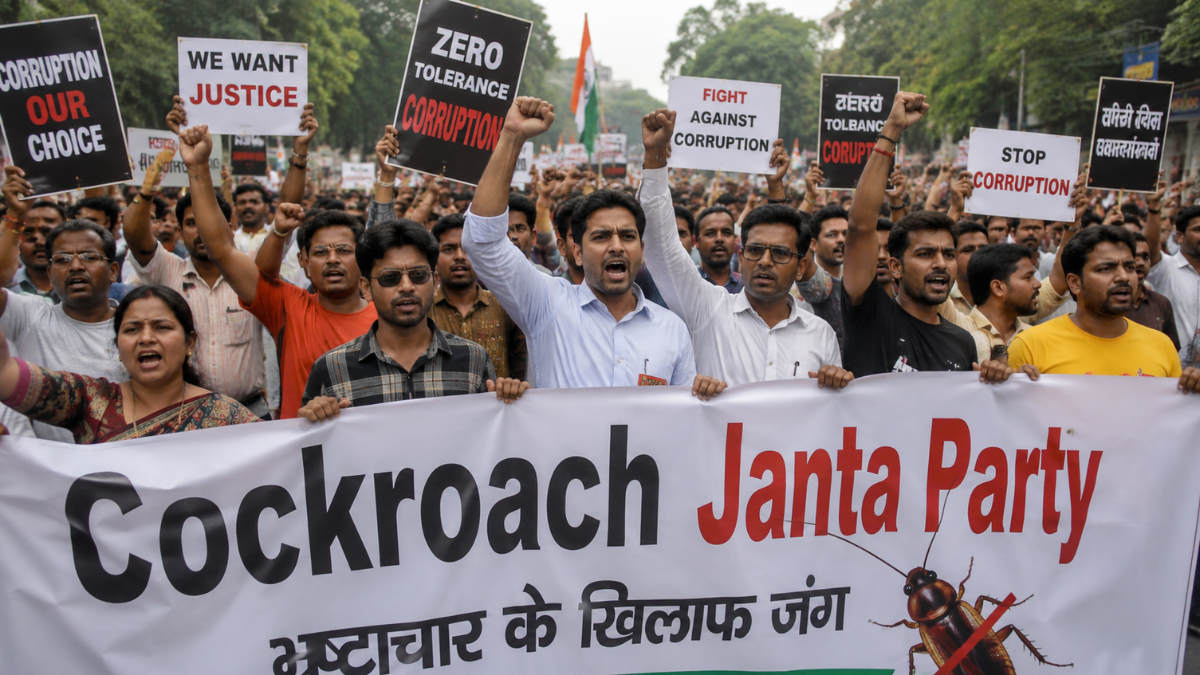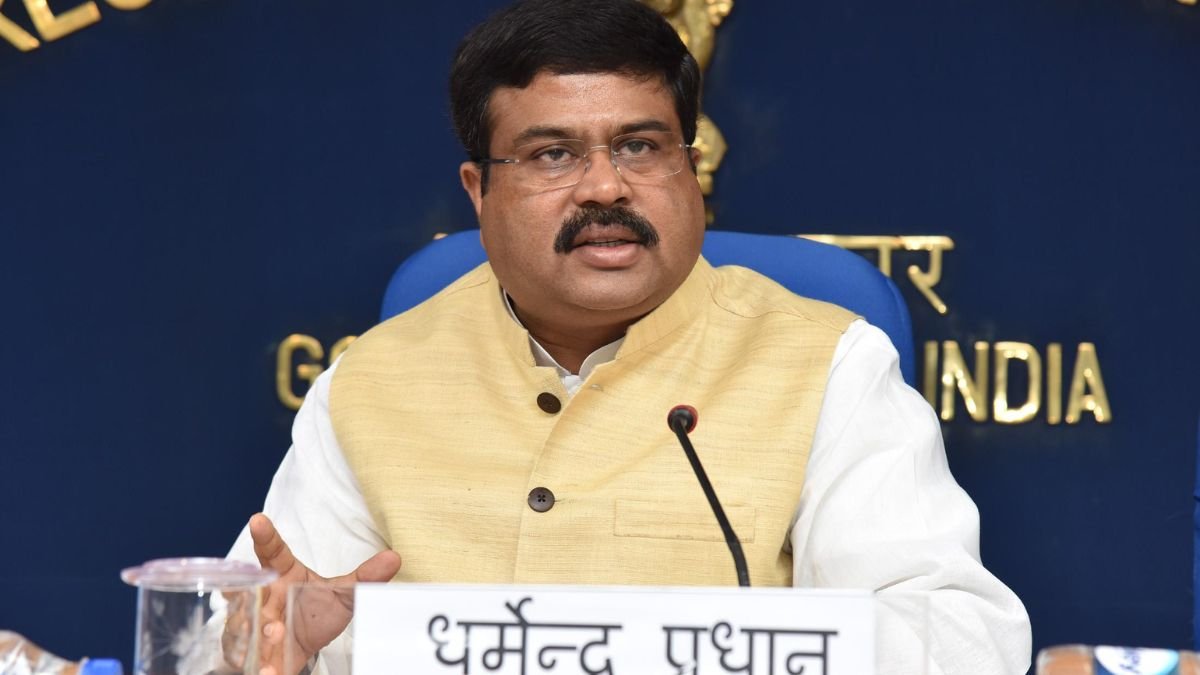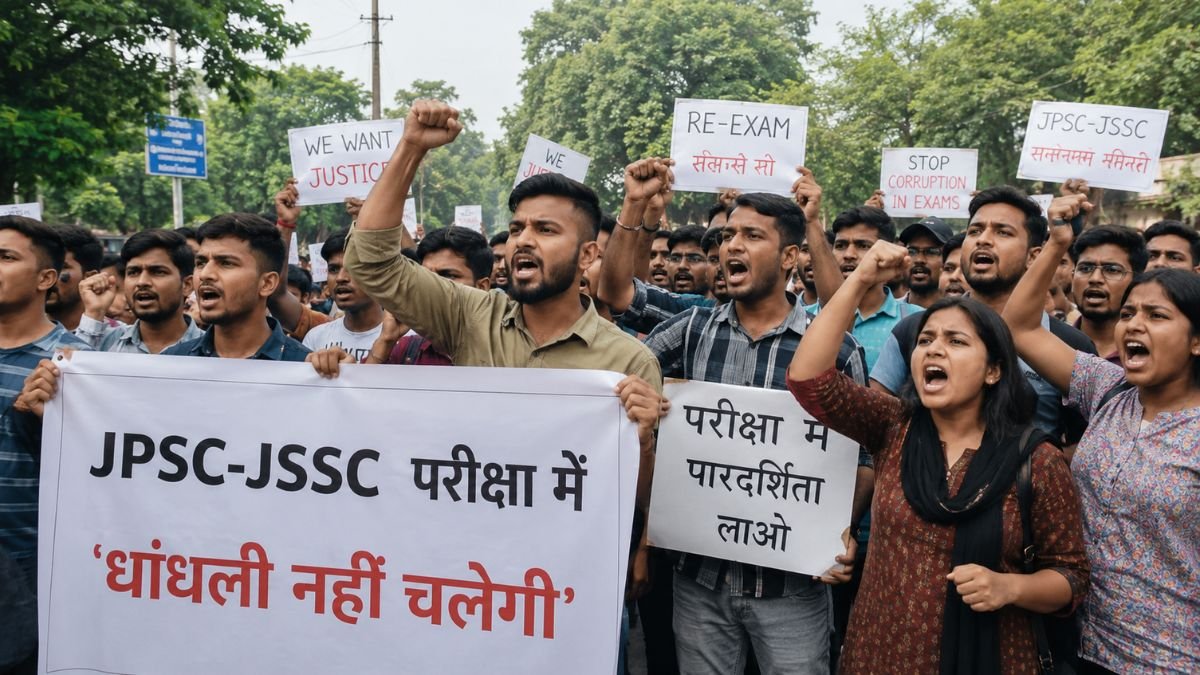
Dissatisfaction is mounting among thousands of students in Jharkhand preparing for government jobs regarding alleged irregularities in the JPSC (Jharkhand Public Service Commission) and JSSC (Jharkhand Staff Selection Commission) examinations. Students have been consistently demanding a fair investigation, a transparent recruitment process, and concrete action from the government regarding their grievances. Amidst this, Citizens for Justice and Peace (CJP) has extended its support to the students’ movement, stating that it stands with all those calling for a fair and transparent examination system.
This issue extends beyond mere exam results; it is linked to the future of the youth, the credibility of the government recruitment system, and trust in the education system.
What is the issue?
Many students in Jharkhand have alleged irregularities in various recruitment examinations conducted by the JPSC and JSSC. They claim there has been a lack of transparency in the examination process and that certain decisions have raised doubts among the candidates. Students have been protesting for a long time, seeking answers to these questions and demanding a fair investigation.
What are the students’ main demands?
The protesting students primarily demand an independent and impartial inquiry into the recruitment process. Additionally, they are calling for full transparency in making exam results, answer keys, the selection process, and other related documents public. They assert strict action. They insist on taking strict action against anyone found guilty of wrongdoing at any stage. against those found guilty of any wrongdoing at any stage.
Why did CJP extend its support?
In its statement, Citizens for Justice and Peace (CJP) affirmed that in a democracy, students have every right to express their views peacefully. The organization believes that if the youth are demanding fair recruitment and a transparent examination system, their voices must be heard seriously. CJP clarified that it stands with all students seeking a just process.
Why has Dipke’s statement become a topic of discussion?
Dipke, associated with CJP, stated that the students’ demands should not be viewed merely as a protest but understood as concerns regarding the future of the youth. He stated that maintaining public trust in the government recruitment process is crucial for any state. Following his statement, this issue rapidly became a topic of discussion on social media as well.
Why is transparency in the examination system essential?
Millions of students preparing for government jobs work hard for years. Consequently, if questions are raised about the examination process, it undermines the credibility of not just the results but the entire recruitment system. A transparent examination system ensures justice for deserving candidates and strengthens the youth’s trust in government institutions.
Widespread impact of the student movement
The impact of this protest is not limited to the students taking the exams; parents, teachers, and various social organizations have also expressed their concerns regarding this issue. A large number of people on social media are also seen supporting the demand for transparency and accountability in the examination process. This makes it clear that the issue is transcending the state level to become a subject of national discussion.
What are the expectations from the government and the commission?
Students want the government and the concerned commission to provide a clear and time-bound response regarding the entire matter. If any complaints are found to be valid, an impartial investigation should be conducted and appropriate action taken. Furthermore, the examination system should be made more transparent and technologically robust to prevent such situations from recurring in the future.
What could be the impact on the youth’s future?
Delays or controversies in recruitment examinations have the greatest impact on the careers of young people. Many candidates prepare for years and face challenges such as age limits. If the recruitment process remains mired in controversy, it can demoralize the students. Therefore, a timely and fair recruitment process is considered to be in the best interest of all parties involved.
The importance of peaceful protest in a democracy
In a democratic country like India, citizens have the right to voice their opinions and register protests peacefully. If students raise questions about an examination process, it is the responsibility of the democratic system to listen to them and find a solution based on facts. Dialogue and transparency are considered the most effective means of resolving any dispute.
Conclusion: Fair recruitment is the ultimate foundation of trust
The ongoing controversy surrounding the JPSC and JSSC examinations in Jharkhand is not merely a matter of a recruitment process; rather, it is an issue deeply linked to the aspirations of lakhs of young people and the credibility of government institutions. The support extended to the students by CJP demonstrates that the demand for a fair and transparent examination system is no longer confined to the students alone; various sections of society are also voicing their opinions on this issue.