
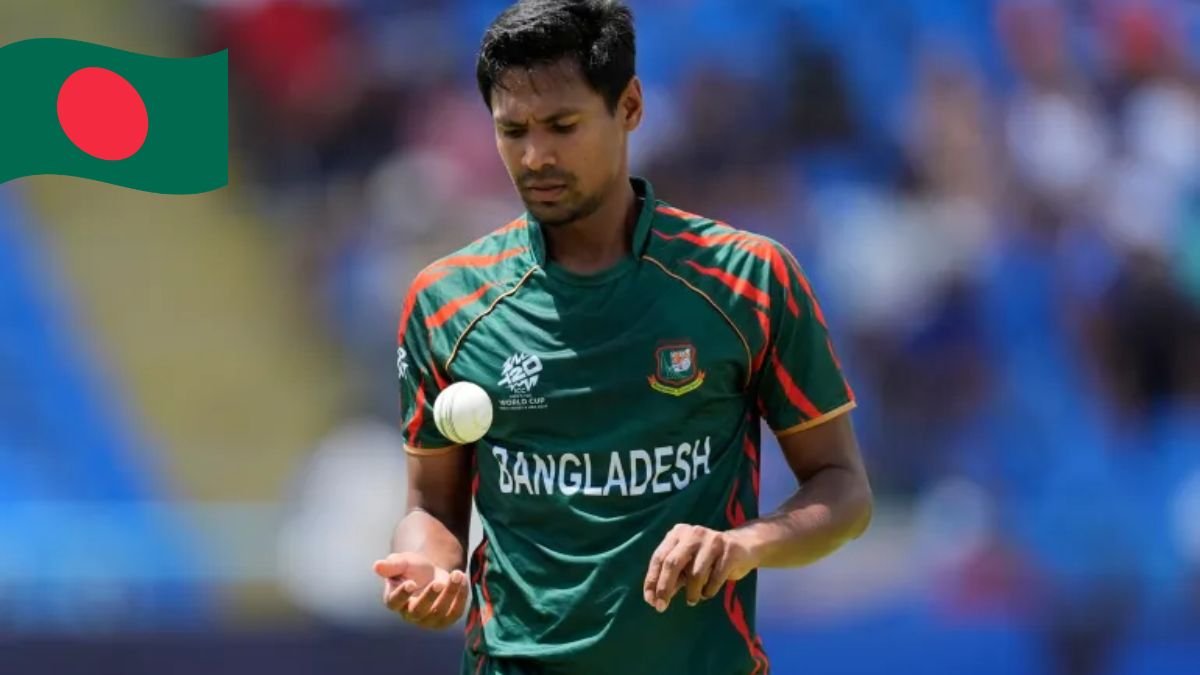
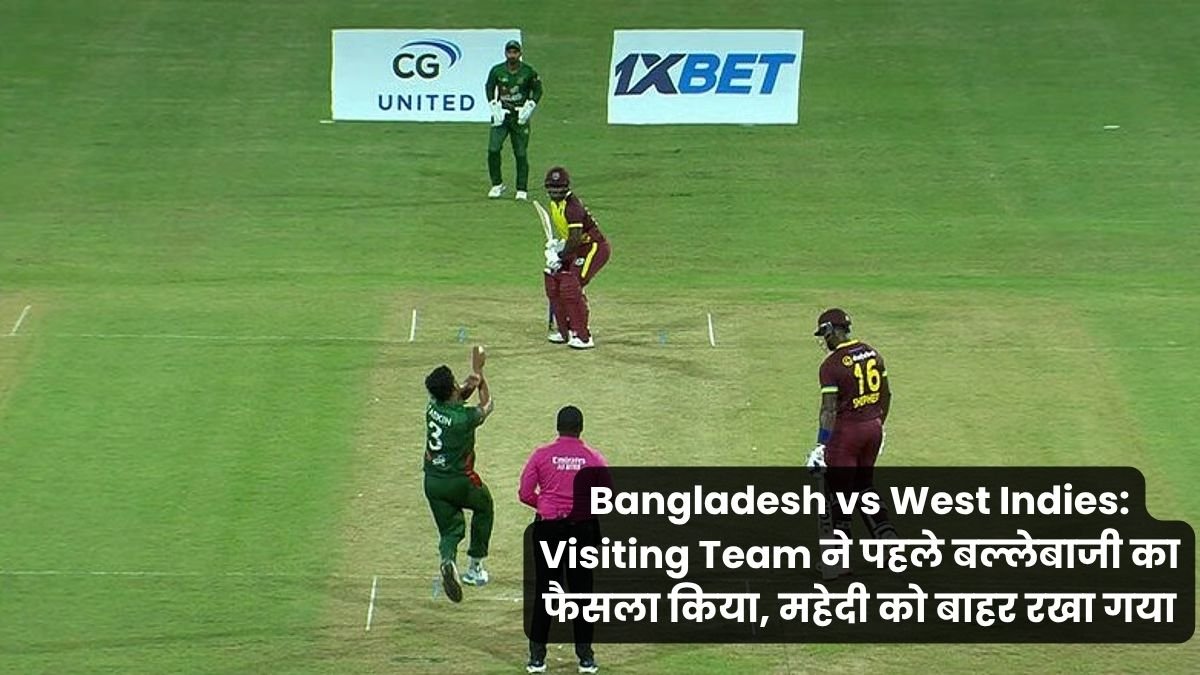
Ahead of the 2026 T20 World Cup, a major dispute has erupted between the Bangladesh Cricket Board (BCB) and the country’s Ministry of Sports. At the heart of the controversy lies the Bangladesh team’s decision not to participate in the tournament—a move widely termed a “snub” or boycott within the cricketing world. This step was sudden and unexpected, sparking discontent and raising questions among sports fans and the media.
The Sports Ministry’s Intervention
In response to the BCB’s decision, the Ministry of Sports ordered an inquiry into the matter. The Ministry stated that the team’s boycott of the tournament signals a “diplomatic failure” and must be viewed with the utmost seriousness. This move highlights a significant existing trust deficit between the sports administration and the government.
The BCB’s Stance
The BCB has argued that the team’s boycott was necessitated by “security concerns” and prevailing “international circumstances.” The Board characterized this as an essential measure taken to safeguard national security and ensure the well-being of the players. However, the Ministry contends that this boycott was executed without adequate diplomatic efforts and requires a rigorous review.
Allegations of Diplomatic Failure
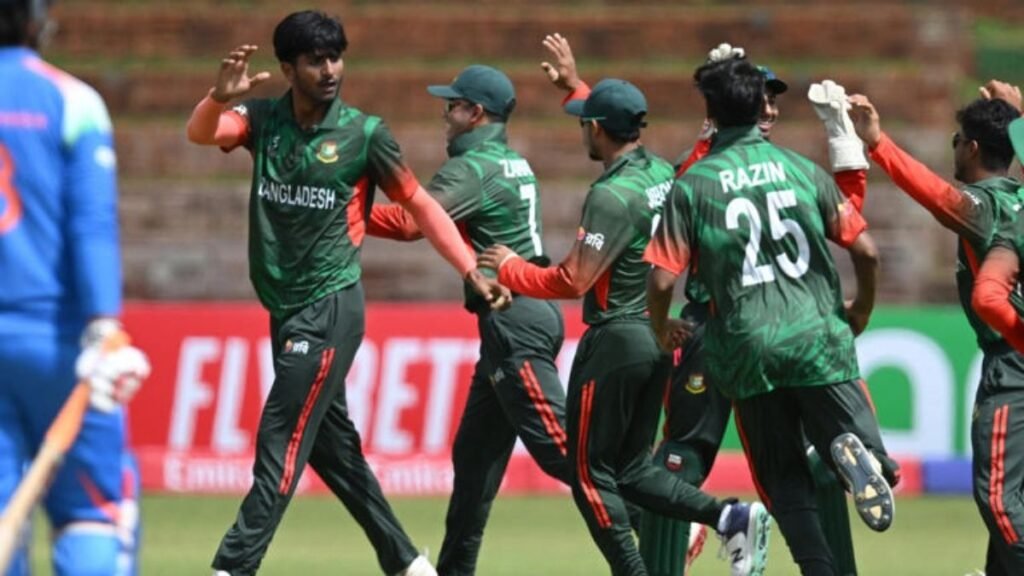
The Ministry of Sports clarified that non-participation in the T20 World Cup has repercussions for the country’s diplomatic relations and international image. The Ministry directed the BCB to conduct a thorough investigation into all the processes leading up to this decision and to submit a comprehensive report. This intervention underscores the fact that sports are not merely a recreational activity but are inextricably linked to a nation’s prestige and diplomatic standing.
Reactions from Players and Fans
The reaction from players and cricket enthusiasts regarding the team’s decision—and the ensuing controversy—has been mixed. While some players voiced their support for the board, fans took to social media to express their dissent. Given the immense significance of cricket within the country, this boycott has emerged as a major focal point of public debate.
Opinions from Media and Experts
Cricket experts and the media have provided extensive coverage of this dispute. They have observed that Bangladesh’s decision could become a subject of criticism not only within the sporting fraternity but also on the international stage. Experts believe that a lack of coordination between the BCB and the Ministry of Sports gave rise to this controversy.
Potential Reforms and Suggestions
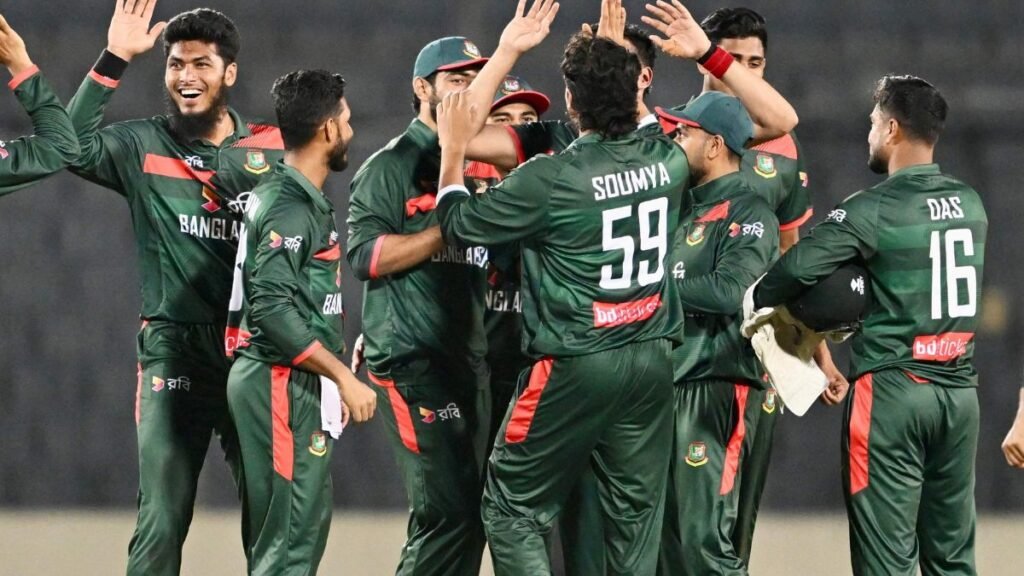
The Ministry of Sports has sought suggestions from the BCB on how to avoid such controversies in the future. Emphasis was placed on striking a balance between team management, diplomatic engagement, and player safety. The Ministry’s objective is to ensure that no decision compromises the country’s reputation or harms the interests of the players.
International Impact
If the Bangladesh team does not participate in the 2026 T20 World Cup, it will have repercussions on its relationship with the International Cricket Council (ICC) and other nations. Critics argue that such a move could undermine Bangladesh’s credibility within the global cricketing arena. In this context, the report on the Ministry’s inquiry and its subsequent decision will assume significant importance.
Future Strategy
The Ministry of Sports has signaled its intention to foster greater transparency and accountability in cricket administration moving forward. This implies that enhanced dialogue and consensus between the board and the government will be essential before making such decisions. This approach will not only help avert controversies but also help uphold the country’s image.
Conclusion: A Lesson Learned and a Nation’s Focus
This controversy demonstrates that sports are not confined solely to the playing field. The “T20 World Cup Snub Row” has made it evident that decisions within cricket are underpinned by political, diplomatic, and social dimensions. The Ministry of Sports’ inquiry will review the BCB’s decisions, and it is hoped that a similar situation will not recur in the future.
For Bangladesh, this serves as a valuable lesson regarding the critical importance of maintaining a balance between sports and national prestige. Coordination among players, administrators, and the government remains the only viable path to avoiding such controversies.

March 17, 2026