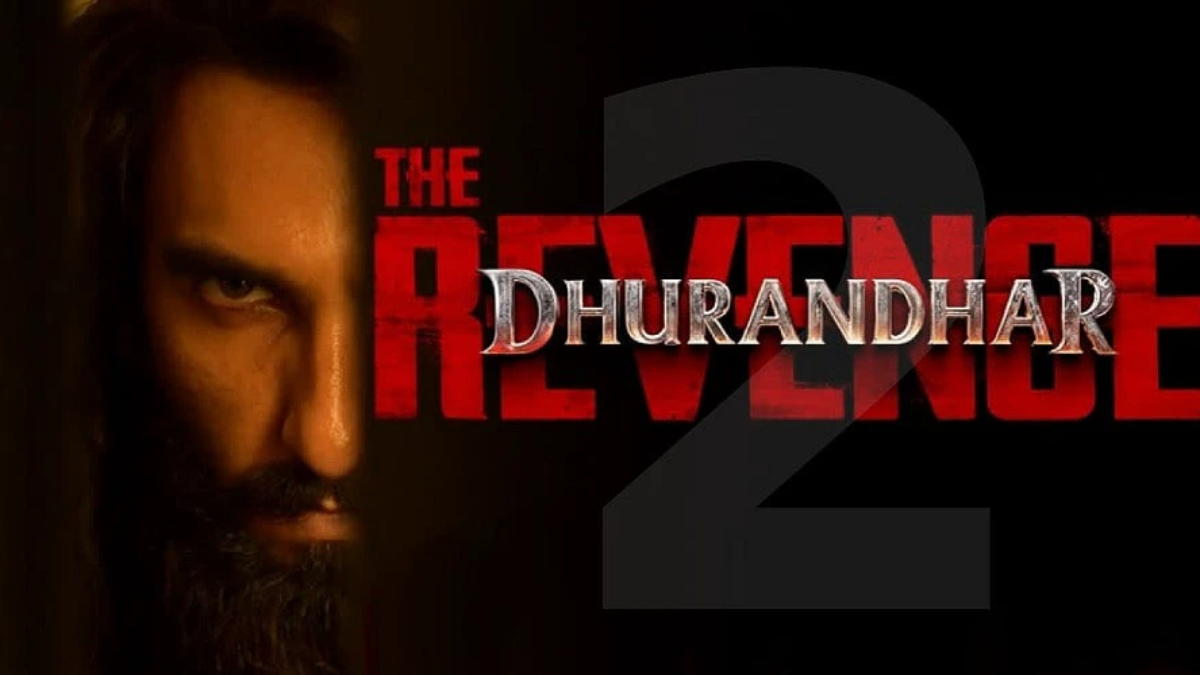
The film industry has always been a place where success and failure are discussed as passionately as the films themselves. Recently, filmmaker Kunal Kohli stirred conversation with his candid remarks about Ranveer Singh and his film Dhurandhar. His statement, “Dhurandhar Monday ko baith jaayegi,” has sparked debate, curiosity, and even a bit of controversy among fans and insiders alike.
A Bold Statement That Turned Heads
Kunal Kohli’s remark wasn’t just a casual comment—it carried a deeper reflection of the competitive nature of Bollywood. By suggesting that the film might not sustain beyond its opening weekend, Kohli indirectly highlighted how unpredictable the box office can be. In an industry driven by opening day numbers, social media buzz, and audience reception, a film’s fate often seems sealed within its first few days.
What made the statement even more intriguing was Kohli’s revelation that some of the “biggest directors” in the industry were quietly hoping for the film to fail. This kind of behind-the-scenes sentiment is rarely spoken about openly, making his honesty both surprising and refreshing.
The Pressure on Ranveer Singh
Ranveer Singh has built a reputation as one of Bollywood’s most energetic and versatile actors. From intense roles to larger-than-life performances, he has consistently pushed boundaries. However, with high expectations comes immense pressure. Every release becomes more than just a film—it becomes a test of his star power.
With Dhurandhar, the stakes appear even higher. The audience expects not just entertainment but something memorable. Kohli’s comments reflect how closely actors’ careers are tied to box office performance, and how quickly public perception can shift based on a film’s success or failure.
Competition Behind the Glamour
Bollywood may appear glamorous on the surface, but beneath it lies intense competition. Filmmakers and actors often compete for attention, box office dominance, and critical acclaim. Kohli’s statement about top directors hoping for the film’s failure sheds light on this rarely discussed reality.
This competitive environment can sometimes lead to silent rivalries. While collaborations and friendships are common, there is also a constant race to stay relevant. In such a scenario, the success of one film can directly or indirectly impact others in the industry.
The Role of Audience and Social Media
Today’s film landscape is heavily influenced by audience reactions and social media trends. A film can trend worldwide within hours of its release, and similarly, negative reviews can spread just as quickly. This makes the first Monday after release a crucial turning point, as word-of-mouth begins to shape the film’s long-term performance.
Kohli’s mention of Monday is significant—it symbolizes the moment when initial hype fades and genuine audience feedback takes over. If a film manages to hold strong after the weekend, it often indicates sustained success. Otherwise, it risks fading out quickly.
Is Failure Really That Simple?
While predictions about a film’s performance are common, they are not always accurate. Bollywood has seen numerous instances where films defied expectations—both positively and negatively. Some movies that were expected to flop turned out to be hits, while others with massive hype struggled to perform.
This unpredictability is what makes cinema exciting. It also reminds us that no matter how experienced a filmmaker or critic may be, the final verdict always lies with the audience.
Conclusion
Kunal Kohli’s candid remarks about Dhurandhar and Ranveer Singh have opened up a larger conversation about competition, expectations, and the realities of Bollywood. His statement may have sounded harsh, but it reflects an industry where success is never guaranteed and opinions are always strong.
Ultimately, the fate of any film is decided not by predictions or industry whispers, but by the audience. Whether Dhurandhar lives up to expectations or not, it will be judged by viewers who bring their own perspectives, emotions, and experiences to the theatre. And in the end, that is what truly defines the magic of cinema.