

The 4th T20I of the 2026 series between New Zealand and South Africa delivered a thrilling spectacle for cricket fans. This match was not merely a clash of strategies between the two teams, but also an opportunity for the players to demonstrate their individual prowess and teamwork.
The Toss and the Decision to Bat
The toss held significant importance prior to the match. The New Zealand captain won the toss and elected to bat first. This decision signaled their intent to capitalize on the pitch conditions and post a formidable total. The outcome of this toss proved to be a pivotal factor in shaping the trajectory of the match.
Performance of the Opening Batsmen
New Zealand’s openers provided a magnificent start to the innings. A solid opening partnership instilled confidence within the team. Although the South African bowlers attempted to apply pressure, the openers displayed composure and played smart shots to keep the scoreboard ticking over.
Middle-Order Batting Strategy
The middle-order batsmen further consolidated the score following the Powerplay. They scored runs at a brisk pace while minimizing the loss of wickets. This strategic approach played a crucial role in propelling the team’s total past the 180-run mark.
Total Score and Over-by-Over Analysis
New Zealand posted a total of 190 runs within their allotted 20 overs. On an over-by-over basis, the team managed to accumulate runs while carefully preserving their wickets. To successfully defend this total, South Africa would require a strategic yet aggressive batting performance.
South Africa’s Initial Response
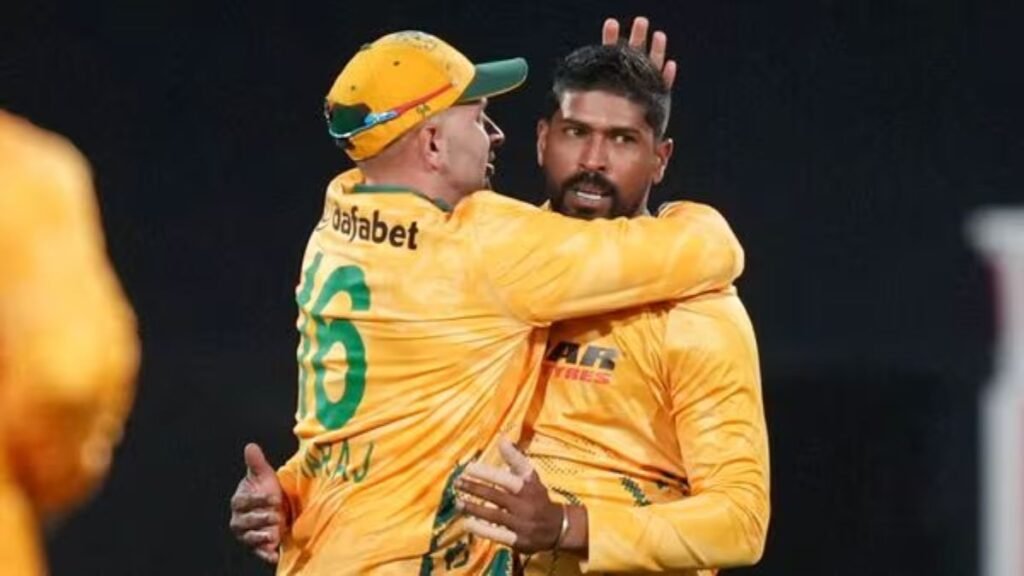
South Africa got off to a promising start. Their openers scored runs rapidly and kept the New Zealand bowlers under pressure. However, the loss of quick wickets dealt a minor setback to the team’s momentum.
The Battle in the Middle Overs
The true excitement of the match unfolded during the middle overs. New Zealand’s bowlers struck at regular intervals, taking wickets and keeping the required run-rate in check. This phase also witnessed some spectacular catches and run-outs, which further heightened the drama and excitement of the contest.
The Finishing Overs and Decisive Moments
South Africa batted aggressively during the final 4-5 overs. Several batsmen played big shots in an attempt to chase down the target. During this phase, the bowlers—including some fresh faces—stepped up the pressure by utilizing precise field placement and Yorkers.
Molina’s Explosive Shot
The most memorable moment of the match was Molina’s spectacular shot, which suddenly accelerated the run rate and thrilled the spectators. This shot proved to be a turning point that shifted the momentum of the match.
Controversy and the Red Card Incident
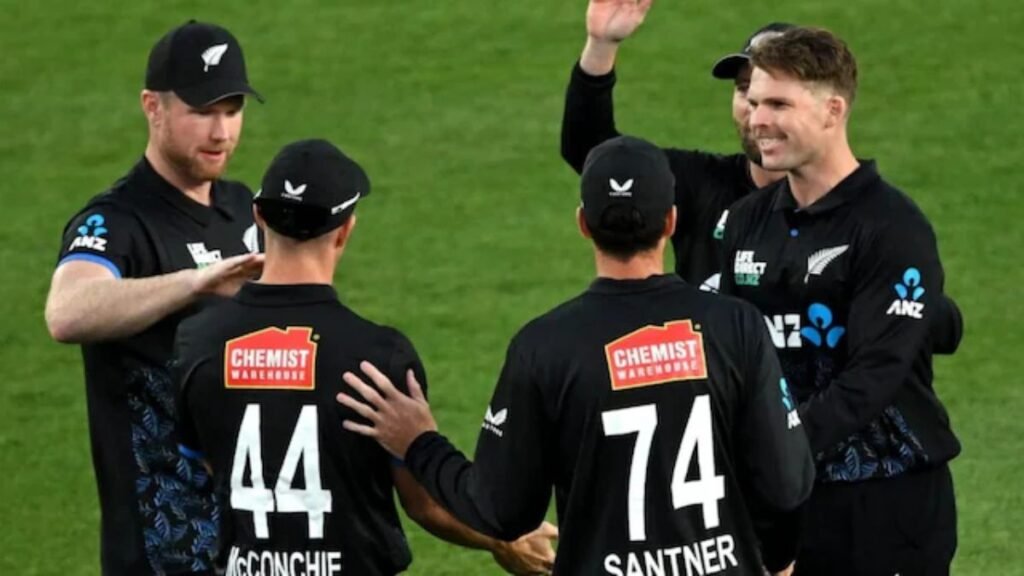
A controversy also arose during the match when Welvard was issued a red card. This decision became a major talking point both on the field and among the spectators. The red card impacted the team’s strategy and heightened the drama of the match.
Match Result and Conclusion
New Zealand ultimately secured a 3-2 victory. The outcome of the match was a direct result of the strategies employed by both teams and the individual performances of the players. This contest proved to be a thrilling experience for the spectators. Every phase of the match—from the opening overs to the finish—played a crucial role in the final result.
Conclusion: A Thrilling T20 Encounter
The 4th T20I between New Zealand and South Africa in 2026 demonstrated that in T20 cricket, every single over counts. The combined efforts of the batsmen, bowlers, and fielders delivered a truly memorable match for the spectators. Molina’s explosive shot and Welvard’s red card emerged as the defining memories of this contest.
This match not only provided the spectators with an exhilarating cricketing experience but also served as a true test of both teams’ preparation and strategic acumen. Matches such as this serve to further amplify the excitement and thrill of T20 cricket.




March 17, 2026