
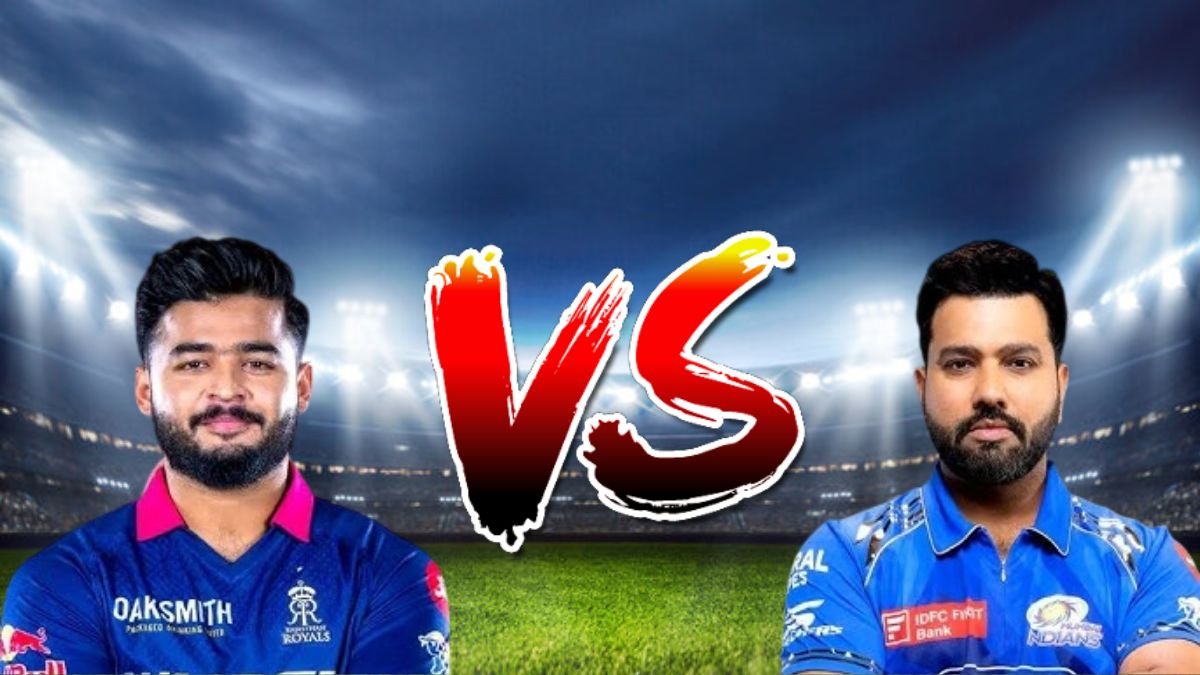
The 13th match of IPL 2026 was played between two heavyweight teams: the Rajasthan Royals and the Mumbai Indians. As always, this match proved to be a high-voltage encounter, given that both teams are renowned for their formidable squads and match-winning players. The contest was packed with excitement right from the start, offering the spectators a truly exceptional T20 experience.
Toss and Team Strategy
The toss proved to be a pivotal factor in this match. The team that won the toss elected to bowl first, aiming to capitalize on the initial moisture present in the pitch. Both teams maintained a balanced Playing XI—featuring a blend of seasoned veterans on one side and youthful energy on the other. The strategy was clear: take early wickets during the Powerplay and build pressure during the middle overs.
Powerplay Excitement
The pace of the match was brisk during the Powerplay phase. The Mumbai Indians openers attempted to get off to an aggressive start, while the Rajasthan Royals bowlers maintained tight control over their line and length. The balance of the match shifted back and forth frequently as wickets tumbled during the opening overs. The Powerplay itself served as an early indication that the contest was destined to remain thrilling right up until the very end.
Pressure in the Middle Overs
Spin bowlers played a crucial role during the middle overs. The Rajasthan Royals spinners succeeded in keeping the run rate in check. Conversely, the Mumbai Indians batsmen focused on rotating the strike and avoiding risky shots. During this phase, both teams endeavored to strike a delicate balance between caution and aggression.
Key Batting Performances
Several batsmen delivered stellar performances in this match. The Mumbai Indians’ top order provided a rapid start, while the Rajasthan Royals batsmen prioritized building partnerships. A couple of players reached the fifty-run mark, steering their respective teams into strong positions. A combination of big shots and smart running between the wickets ensured that the final score remained highly competitive.
The Impact of the Bowlers
The bowlers played a pivotal role in this contest. The impact of yorkers and slower deliveries was evident during the death overs. Rajasthan Royals’ death bowlers strove to restrict the flow of runs, while Mumbai Indians’ bowlers also claimed crucial wickets. A fine balance between bat and ball remained a defining feature of this match.
Fielding & Catching
In terms of fielding, both teams put up a commendable performance; however, there were instances of dropped catches—some of them crucial—that could potentially have altered the course of the match. Agility in ground fielding and the precision of throws helped both teams save valuable runs. The significance of fielding in the T20 format was clearly demonstrated in this contest.
Turning Points of the Match
There were several moments in this encounter that shifted the momentum of the game. Sudden clusters of wickets, run-out opportunities, and the aggressive striking by batsmen in the final overs all served as key turning points. In particular, the fall of wickets at regular intervals during the middle overs heightened the pressure and altered the dynamics of the match.
Fans & Stadium Atmosphere
For both the spectators present in the stadium and the fans watching on television, this match proved to be thoroughly entertaining. Supporters of both teams rallied behind their respective sides with resounding enthusiasm. With every four and six, the excitement within the stadium surged, creating an atmosphere that truly felt like a grand festival of cricket.
Final Verdict & Match Summary
All in all, this contest between Rajasthan Royals and Mumbai Indians was a highly thrilling and competitive affair. Both teams showcased their respective strengths, yet it was the subtle moments that ultimately influenced the outcome. This match proved to be a memorable experience for the spectators and has added an extra layer of intrigue to the IPL 2026 season. In the upcoming matches, both teams will undoubtedly look to learn from their errors and strive to deliver even better performances.


April 7, 2026