Samsung and Apple Make a Stunning Comeback! The global smartphone market suffered a major setback in the first quarter of 2026 (Q1 2026). According to a report by the International Data Corporation (IDC), smartphone shipments during this period declined by 4.1% to 289.7 million units. This decline is considered particularly significant because, prior to this, the market had witnessed a streak of growth spanning 10 consecutive quarters—a trend that began in mid-2023. This growth streak has now been broken, serving as a cautionary signal for the industry.
The Impact of Memory Shortages and Rising Prices
The primary drivers behind this decline are the shortage of memory components and their escalating prices. Currently, the supply of memory chips used in smartphones has become severely constrained. Consequently, not only has the cost of manufacturing smartphones risen, but companies have also been compelled to increase the retail prices of their devices.
In several emerging markets, smartphone prices have surged by as much as 40–50%, directly impacting consumers’ purchasing power. The result has been a decline in demand and a subsequent adverse effect on companies’ sales figures. Furthermore, companies are now cutting back on marketing expenditures and limiting the introduction of new features in an effort to curb their operational costs.
Performance of the Top 5 Smartphone Companies
Although the overall market has experienced a downturn, certain companies continue to demonstrate strong performance.
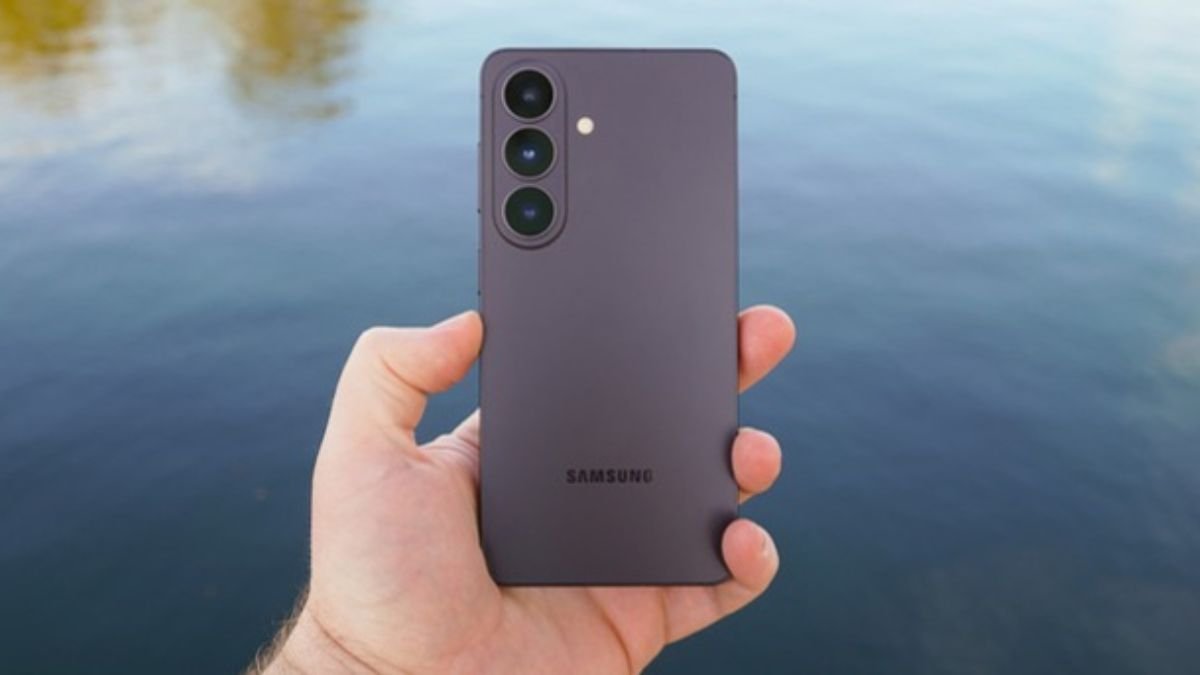
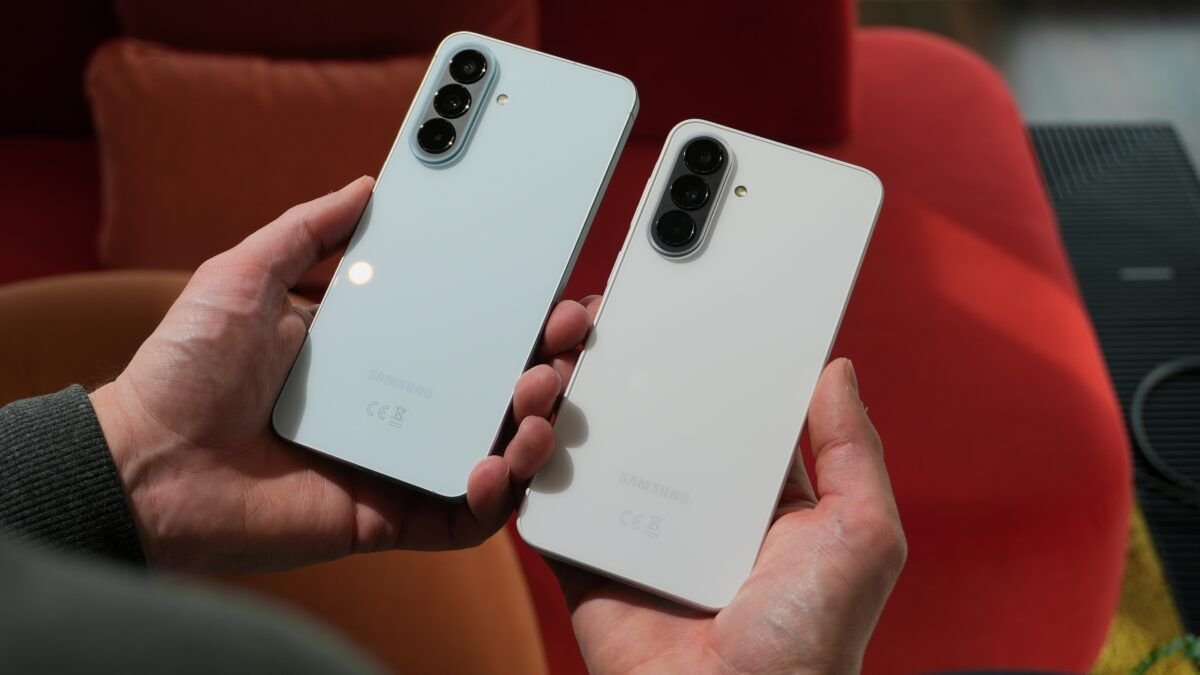
Samsung secured the top spot, recording a growth rate of 3.6%. This success was primarily driven by robust demand for the Galaxy S26 Ultra and the timely launch of the Galaxy A series.
Apple ranked second, registering a growth of 3.3%. The company benefited significantly from exceptionally strong sales of the iPhone 17 series in China—where sales surged by over 30%.
Xiaomi placed third, though it faced the most substantial decline among the top players. To avoid raising prices, the company reduced shipments of its older models.
OPPO secured the fourth position; despite performing well within the Chinese market, the brand exhibited signs of weakness in the international arena. Vivo holds the fifth position, and its standing remains stable thanks to its strong foothold in India and China.
The Status of Other Companies
Beyond the top five, several companies have demonstrated impressive growth. HONOR recorded the fastest growth rate at 24%, driven primarily by its international expansion. Meanwhile, Lenovo (Motorola) and HUAWEI have also delivered positive performances, indicating that opportunities still exist within the market.
How Is the Industry Adjusting?
Given the current circumstances, smartphone companies are recalibrating their strategies. Companies are now striving to strike a balance between profitability and growth. Many brands are shifting their focus away from budget smartphones and moving toward the premium segment, where profit margins are higher.
Furthermore, companies are streamlining their product portfolios to make them more concise and effective. The market for low-cost smartphones is gradually shrinking, particularly in Asia, while competition continues to intensify in developed markets such as Europe.
The Outlook: Will the Decline Continue?
Experts believe that this downturn has not yet run its course. In the near future, the shortage of memory components is likely to worsen, which will drive up smartphone prices even further. The availability of smartphones priced under $200, in particular, may become even more limited.
However, the impact of this trend is expected to be less pronounced in developed markets like the U.S., where consumers tend to prefer purchasing premium devices and have access to financial services such as financing and trade-in programs.
What Will Happen in the Long Term?
In the long run, the smartphone market is not going to disappear entirely; rather, it will undergo a transformation. Companies will increasingly focus on higher-priced, premium devices. The Average Selling Price (ASP) is expected to rise, while the prevalence of budget phones will gradually diminish.
Experts project that memory prices may stabilize by the second half of 2027. It is at that point that the market is expected to begin showing signs of recovery.
Conclusion
Overall, the beginning of 2026 has proven to be a challenging period for the smartphone industry. Memory shortages, rising production costs, and waning consumer demand have placed the market under significant pressure. Nevertheless, companies are adapting their strategies and shifting their focus toward the premium segment. In the times ahead, it will be interesting to see how the industry overcomes these challenges and moves forward in a new direction.