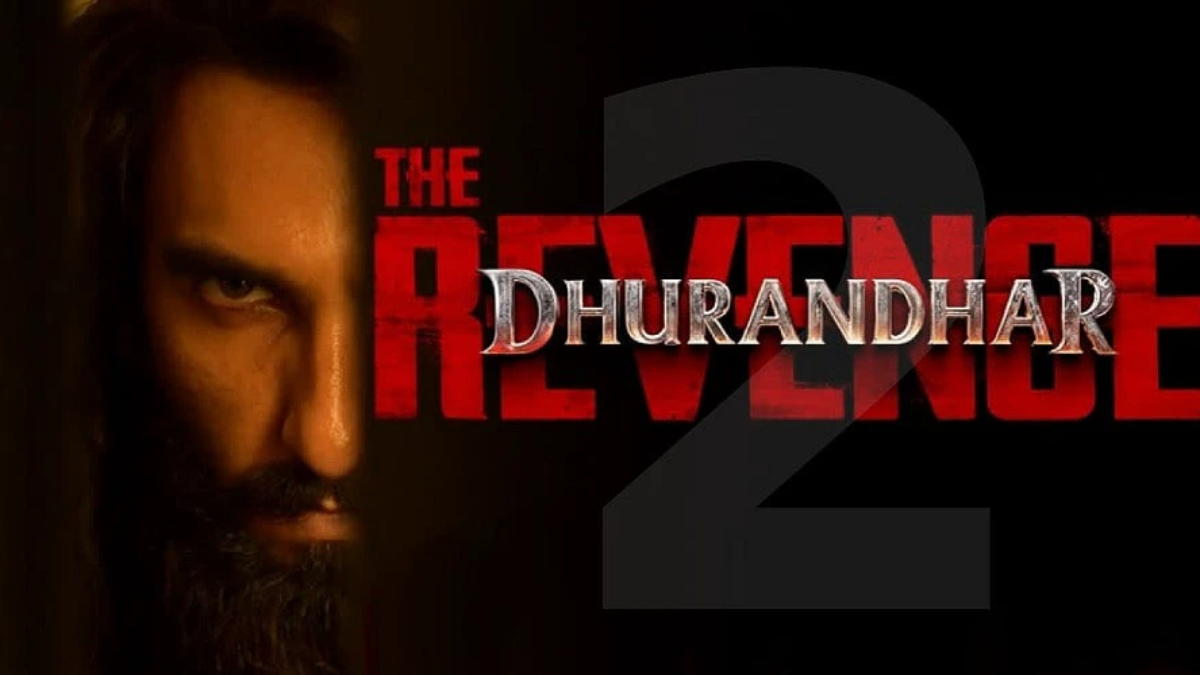
The controversy surrounding the script of Dhurandhar recently became one of the most talked-about legal disputes in the entertainment industry. Filmmaker Aditya Dhar, known for his impactful storytelling and strong cinematic vision, had approached the Bombay High Court after alleging that defamatory statements were made against him in connection with the film’s script. The matter quickly gained attention among film circles, especially because it involved serious accusations regarding creative ownership and professional reputation.
For weeks, the issue remained a major discussion point across social media and entertainment platforms. Many people from the film industry closely followed the case, wondering how the legal proceedings would unfold and whether the dispute would affect the future of the project.
What Triggered the Defamation Case
The controversy reportedly began when Santosh Kumar made statements related to the script and development of Dhurandhar. According to the claims made before the court, the remarks allegedly harmed Aditya Dhar’s professional image and created confusion regarding the creative process behind the film.
In the entertainment world, script ownership and creative contribution are extremely sensitive matters. Writers, directors, and producers often spend years developing stories, and any public dispute can damage both reputations and future opportunities. Because of this, Aditya Dhar chose to pursue legal action to protect his name and credibility.
The matter soon escalated into a formal defamation suit before the Bombay High Court, drawing media attention from across the country.
Santosh Kumar Offers Apology Before the Court
The legal battle, however, took a calmer turn when Santosh Kumar tendered an unconditional apology before the Bombay High Court. Reports suggest that he expressed regret over the statements that led to the dispute and clarified his position during the proceedings.
The apology became a turning point in the case. Courts often encourage peaceful resolution in matters involving personal reputation when both parties are willing to settle the dispute respectfully. In this situation, the apology appeared to satisfy the concerns raised by Aditya Dhar.
The court noted the apology and considered the matter resolved after both sides reached a level of understanding.
Bombay High Court Closes the Matter
Following the apology, the Bombay High Court officially closed the defamation suit. The closure of the case brought relief not only to the individuals involved but also to many people in the film industry who were observing the developments closely.
Legal disputes in Bollywood often continue for years, affecting projects, partnerships, and public perception. In contrast, this matter concluded through acknowledgment and apology rather than prolonged courtroom conflict. The decision highlighted how disputes can sometimes be resolved through dialogue and accountability instead of extended legal confrontation.
Industry insiders believe the closure of the case may now allow everyone involved to focus on their professional work without further distraction.
Impact on Aditya Dhar’s Reputation
Aditya Dhar has built a strong reputation in the Indian film industry through his creative projects and disciplined filmmaking approach. Over the years, he has earned recognition for delivering content-driven cinema that connects with audiences emotionally and patriotically.
Because public allegations can significantly impact a filmmaker’s credibility, many observers felt that the court proceedings were important for protecting professional integrity. The resolution of the case through an apology may help restore normalcy and prevent further speculation around the controversy.
Fans and supporters of the filmmaker also expressed relief after the matter was settled peacefully.
Why Script Disputes Become Serious in the Film Industry
Creative disagreements are not uncommon in cinema, especially in an industry where ideas and storytelling form the foundation of success. Script-related controversies can quickly become complicated because they involve intellectual property, recognition, and financial interests.
When such matters become public, they often affect the trust between collaborators. This is why filmmakers and writers usually prefer clear agreements and proper communication during a project’s development stage.
The Dhurandhar script row serves as another reminder of how important professionalism and transparency are in the entertainment business.
Public Reaction and Industry Buzz
The case generated strong reactions online, with many social media users debating the issue from different perspectives. Some people supported Aditya Dhar for defending his reputation, while others hoped the dispute would end peacefully without damaging careers.
After news of the apology and case closure emerged, the overall public response appeared positive. Many appreciated that the issue did not continue into a prolonged legal fight and instead ended through resolution and mutual understanding.
In an industry often filled with controversies and prolonged disputes, the peaceful conclusion stood out as a mature outcome.
Conclusion
The closure of the Dhurandhar script-related defamation case marks the end of a tense chapter involving filmmaker Aditya Dhar and Santosh Kumar. With an apology submitted before the Bombay High Court, the matter was resolved without further escalation, allowing both parties to move forward professionally.
The incident highlights the importance of responsible public communication, especially in creative industries where reputation carries immense value. It also demonstrates that even serious disputes can sometimes find resolution through acknowledgment and understanding rather than lengthy courtroom battles.