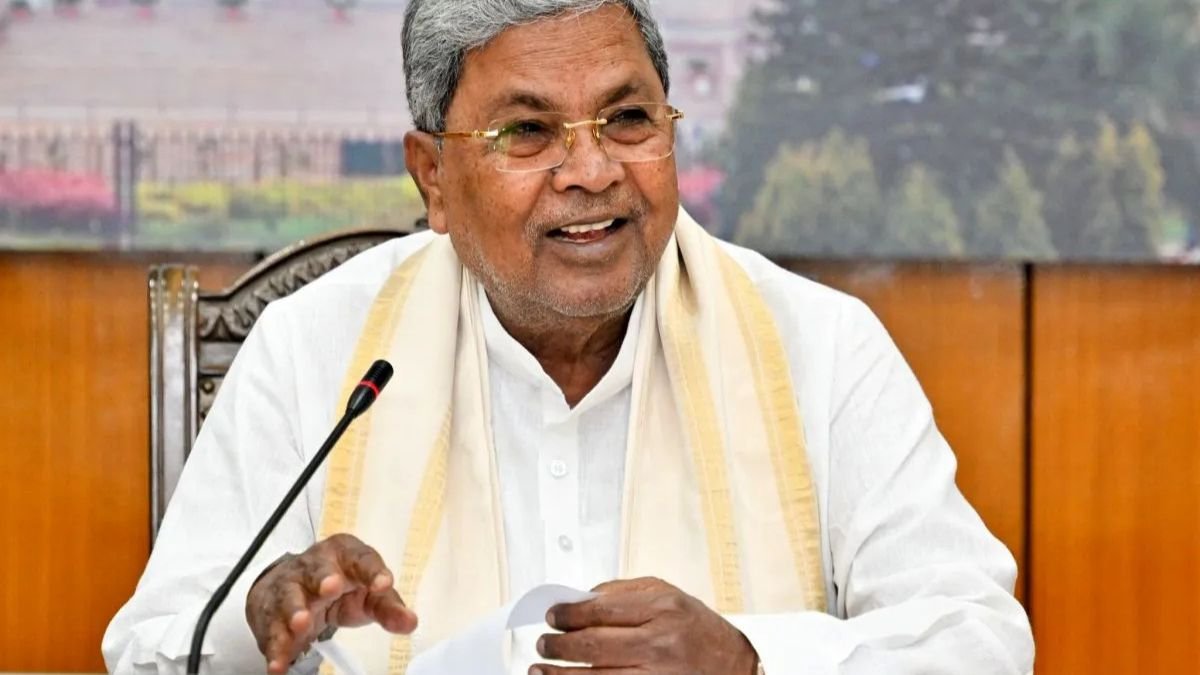
Karnataka politics appears to be entering a crucial new phase following the acceptance of a resignation by the governor and growing indications that D.K. Shiva Kumar could be preparing to take over a key leadership role in the state. Political developments over the past few days have attracted significant attention from party workers, political observers, and citizens alike. At the same time, Siddaramaiah’s visit to Delhi has further fueled speculation about discussions taking place at the highest levels of party leadership.
Leadership transitions are often defining moments in any government because they influence policy priorities, administrative functioning, and political strategies. In Karnataka, where political competition remains intense and public expectations continue to rise, any change in leadership naturally becomes a topic of major interest. As reports suggest that Shivakumar may be ready to assume greater responsibility, attention has shifted toward what this transition could mean for the state’s future.
The Governor’s Decision Sets the Stage
The acceptance of the resignation by the governor has become the turning point in the latest political developments. Such decisions often mark the beginning of a formal transition process and pave the way for consultations regarding future leadership arrangements.
Political analysts note that gubernatorial approval is an important constitutional step because it officially acknowledges the change and allows the government and ruling party to move forward with succession planning. In Karnataka’s case, this development has triggered widespread discussion about the direction the state government may take in the coming months.
For many observers, the governor’s action represents more than a procedural step—it symbolizes the beginning of a potentially significant chapter in Karnataka’s political journey.
D.K. Shivakumar Emerges as the Leading Contender
Among the names being discussed, D.K. Shivakumar has emerged as the most prominent figure linked to the leadership transition. Over the years, he has established himself as one of Karnataka’s most influential political leaders and has played a major role in strengthening his party’s organizational structure.
His reputation as an effective strategist and administrator has helped him build a strong political base across different regions of the state. Supporters view him as a leader capable of balancing governance with political management while also maintaining strong connections with grassroots workers.
If Shivakumar ultimately assumes the top position, it would mark the culmination of years of political work and organizational leadership within Karnataka politics.
Siddaramaiah’s Delhi Visit Sparks Speculation
Another major development is Siddaramaiah’s visit to Delhi, which has naturally generated intense speculation among political circles. High-level meetings in the national capital are often viewed as significant indicators of ongoing discussions regarding leadership, governance, and future political strategies.
While official details of such meetings may remain limited, political observers believe that consultations with senior party leadership could play an important role in shaping the transition process. Delhi often serves as the center for important decisions involving state-level leadership changes, especially within national political parties.
The timing of Siddaramaiah’s visit has therefore become an important part of the ongoing political narrative surrounding Karnataka’s future leadership.
Balancing Experience and New Leadership
One of the key discussions emerging from this transition is the balance between experienced leadership and fresh administrative direction. Karnataka has witnessed several important political developments in recent years, and many citizens are eager to see how the next phase of governance unfolds.
Shivakumar brings a different leadership style compared to many of his predecessors. His supporters argue that his organizational expertise and direct engagement with party workers could strengthen government effectiveness. At the same time, experienced leaders within the party continue to play an important role in providing stability and guidance.
This combination of continuity and change could prove crucial in maintaining political unity while addressing emerging challenges.
Impact on Government Policies
Leadership changes often raise questions about policy priorities. Citizens, businesses, and investors closely monitor transitions because new leaders may introduce different approaches to governance and development.
If Shivakumar takes charge, many observers will be watching for signals regarding infrastructure development, economic growth, employment generation, urban planning, and social welfare initiatives. Karnataka remains one of India’s most economically important states, making policy continuity a significant concern for stakeholders.
At the same time, new leadership can also create opportunities for innovation and fresh approaches to long-standing challenges.
Strengthening Party Unity
Political transitions can sometimes create internal challenges, particularly when multiple senior leaders hold influential positions. However, party leadership typically works to ensure that any transition occurs smoothly and without major divisions.
For Karnataka’s ruling establishment, maintaining unity will likely remain a top priority. Party leaders understand that public confidence often depends on the perception of stability and cooperation within the government.
Observers believe that successful coordination between senior leaders could strengthen the party’s position while helping maintain focus on governance rather than internal political competition.
Public Expectations Continue to Grow
Regardless of who occupies the leadership position, citizens ultimately focus on governance outcomes. Karnataka residents continue to expect improvements in infrastructure, employment opportunities, public services, healthcare, education, and economic development.
Political transitions often create renewed public optimism because they provide an opportunity for governments to refresh their priorities and address emerging concerns. Many voters will be looking for clear plans, strong leadership, and effective decision-making during this period.
The next phase of governance will therefore be judged not only by political developments but also by the government’s ability to deliver tangible results for the people.
The National Political Dimension
Karnataka’s political developments are attracting attention beyond state borders because the state plays an important role in India’s broader political landscape. As one of the country’s largest and most economically dynamic states, Karnataka often influences national political discussions.
Any leadership transition within the state can have implications for future electoral strategies, party organization, and political messaging. National leaders are therefore likely to remain closely involved in ensuring that the transition strengthens both governance and political stability. This broader context explains why developments in Karnataka are receiving attention across the country.
Challenges Await the Incoming Leadership
Assuming greater responsibility also brings significant challenges. Any new leader must address economic concerns, manage public expectations, oversee administrative functioning, and respond to evolving political circumstances.
Karnataka faces a range of issues that require careful attention, including urban growth, transportation infrastructure, investment promotion, environmental sustainability, and social welfare programs. Successfully managing these priorities will require both political skill and administrative effectiveness.
For Shivakumar, if he assumes the leadership role, the transition from political strategist to chief decision-maker could become one of the defining moments of his career.
What Happens Next?
The coming days are expected to be crucial in determining the final shape of Karnataka’s leadership transition. Political consultations, official announcements, and discussions among senior leaders will likely influence the timeline and process.
Citizens, party workers, and political analysts will continue monitoring developments closely as the situation evolves. While speculation remains widespread, formal decisions and official communication will ultimately provide clarity regarding the future leadership structure.
Until then, Karnataka remains focused on a political transition that could shape the state’s direction for years to come.
Conclusion
The possibility of D.K. Shivakumar taking charge after the governor accepted a resignation represents one of the most significant political developments in Karnataka in recent times. Combined with Siddaramaiah’s visit to Delhi and ongoing consultations among senior leaders, the situation has generated widespread interest across political circles.
As Karnataka prepares for a potential new chapter, the focus will remain on ensuring stability, maintaining party unity, and addressing the expectations of millions of citizens. Leadership transitions often bring both opportunities and challenges, and the coming weeks could prove decisive in defining the future course of governance in the state.
Whether viewed from a political, administrative, or public perspective, this transition marks an important moment in Karnataka’s evolving political story—one that will continue to attract attention as events unfold.