The Australian Coastal Towns Experts Say Have the Most Dangerous UV Levels. Australia is renowned for its breathtaking beaches, crystal-clear waters, and sunny climate, making it one of the world’s most popular coastal destinations. From surfing along the Gold Coast to relaxing on the white sands of Western Australia, millions of locals and tourists enjoy spending time outdoors every year. However, alongside this natural beauty comes one of Australia’s greatest environmental health challenges—extremely high ultraviolet (UV) radiation.
Dermatologists have long warned that UV exposure in Australia can reach dangerous levels, even on days that feel cool, cloudy, or breezy. Surprisingly, the highest UV risk is not always found at the country’s hottest or most crowded beaches. Factors such as latitude, altitude, atmospheric conditions, reflective surfaces, and seasonal changes all influence UV intensity. Understanding these risks can help you enjoy Australia’s stunning coastline while protecting your skin from long-term damage.
Australia Experiences Some of the World’s Highest UV Levels
Australia consistently records among the highest ultraviolet radiation levels on the planet. The country’s location beneath relatively clear skies, combined with seasonal atmospheric conditions, allows more harmful UV rays to reach the ground. Even during spring and autumn, UV levels can remain high enough to damage unprotected skin within minutes.
This is why Australian health authorities encourage people to check the daily UV Index rather than relying solely on temperature when planning outdoor activities.
Popular Tourist Beaches Aren’t Always the Highest-Risk Areas
Many people assume Australia’s most famous beaches automatically have the strongest UV exposure. In reality, dermatologists explain that less-publicized coastal towns may experience equally high—or sometimes higher—UV levels depending on weather patterns, cloud cover, and local geography. Smaller coastal communities often receive fewer warnings from visitors, leading many tourists to underestimate the need for sun protection.
UV Radiation Can Be Dangerous Even on Cooler Days
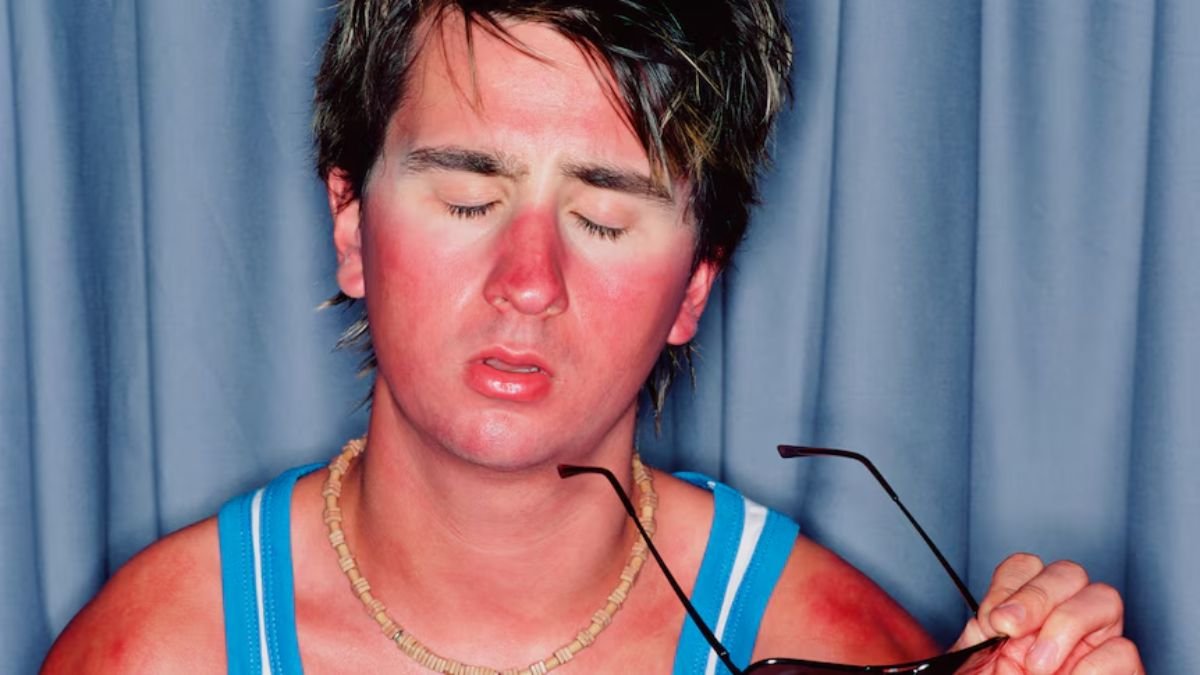
One of the biggest misconceptions about UV exposure is that hot weather equals higher UV levels. In reality, temperature and ultraviolet radiation are separate measurements. A pleasant 22°C (72°F) beach day can still produce enough UV radiation to cause sunburn in a short period. Cool ocean breezes often make people feel comfortable, encouraging longer periods outdoors without realizing their skin continues absorbing harmful UV rays.
Coastal Reflections Increase UV Exposure
Australian beaches feature bright sand, clear water, and reflective surfaces that can significantly increase total UV exposure. Even while sitting under a beach umbrella, reflected UV rays can reach the skin from multiple directions. Water activities such as swimming, paddle boarding, kayaking, and surfing further increase exposure because sunlight reflects off the water while direct rays continue hitting the body.
The UV Index Changes Throughout the Day
Dermatologists recommend paying close attention to the daily UV index, particularly between late morning and mid-afternoon when radiation typically reaches its peak. During these hours, unprotected skin may burn surprisingly quickly depending on skin type and local conditions. Planning beach walks, exercise, or sightseeing earlier in the morning or later in the afternoon can significantly reduce unnecessary UV exposure.
Fair Skin Is More Vulnerable, but Everyone Needs Protection
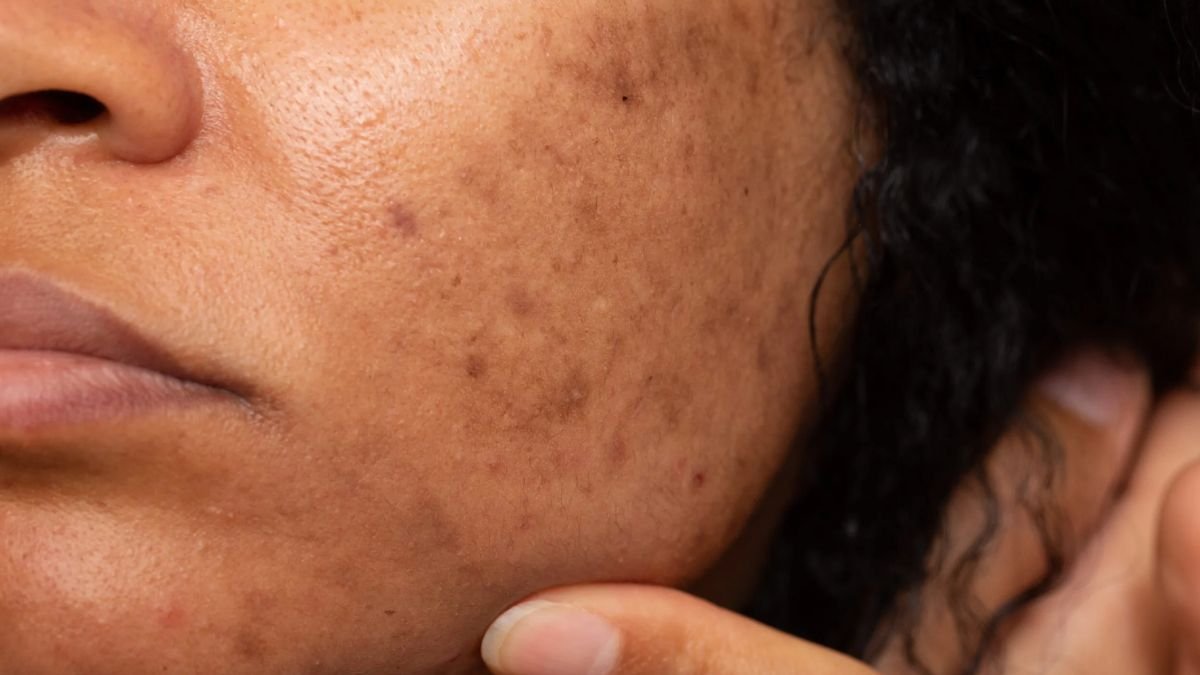
People with lighter skin generally burn more quickly because they produce less protective melanin. However, dermatologists emphasize that every skin tone can experience UV damage. Repeated exposure contributes to premature aging, sunspots, eye damage, and an increased risk of skin cancer regardless of natural skin color.Protective habits benefit everyone, not just those who burn easily.
Consistent Sun Protection Makes a Big Difference
Experts recommend using a broad-spectrum sunscreen with an appropriate SPF, wearing wide-brimmed hats, UV-protective sunglasses, and lightweight clothing that covers exposed skin. Sunscreen should be applied before going outdoors and reapplied regularly, especially after swimming or heavy sweating.Seeking shade during periods of intense UV radiation provides another important layer of protection.
Children Need Extra Protection at the Beach
Children have delicate skin that can be particularly sensitive to ultraviolet radiation. Even a few severe sunburns during childhood may increase the risk of future skin problems. Parents are encouraged to dress children in protective swimwear, encourage hat use, provide sunglasses designed for UV protection, and ensure sunscreen is applied properly. Making sun safety a routine part of every beach visit helps build lifelong healthy habits.
Regular Skin Checks Support Early Detection
Australia has one of the highest rates of skin cancer worldwide, making regular skin examinations especially important. Dermatologists encourage people to monitor new moles, changes in existing spots, unusual growths, or sores that do not heal. Professional skin examinations can help identify concerns early, when treatment is often simpler and more effective.
Enjoy Australia’s Beaches While Staying Sun-Smart
Australia’s coastline remains one of the country’s greatest treasures, and high UV levels should not discourage anyone from enjoying its beauty. Instead, understanding UV risks allows visitors and residents to make informed decisions that reduce unnecessary exposure.
Simple habits such as checking the daily UV forecast, choosing shaded areas, wearing protective clothing, staying hydrated, and limiting time outdoors during peak UV hours can dramatically lower long-term health risks while allowing you to continue enjoying beach life.
Final Thoughts
Australia’s spectacular coastal towns attract millions of visitors each year, but they also remind us of the importance of respecting the power of the sun. Dermatologists continue to emphasize that dangerous UV exposure is not limited to the hottest destinations or the brightest summer afternoons. Cool temperatures, reflective beach environments, and seasonal atmospheric conditions can all contribute to unexpectedly high UV levels.
Fortunately, staying safe is straightforward. Monitoring the UV Index, applying sunscreen correctly, wearing protective clothing, seeking shade, and scheduling outdoor activities wisely are practical steps that protect your skin without limiting your enjoyment of Australia’s world-famous coastline. With a little preparation, you can experience the country’s incredible beaches while reducing the long-term effects of harmful ultraviolet radiation and supporting healthier skin for years to come.