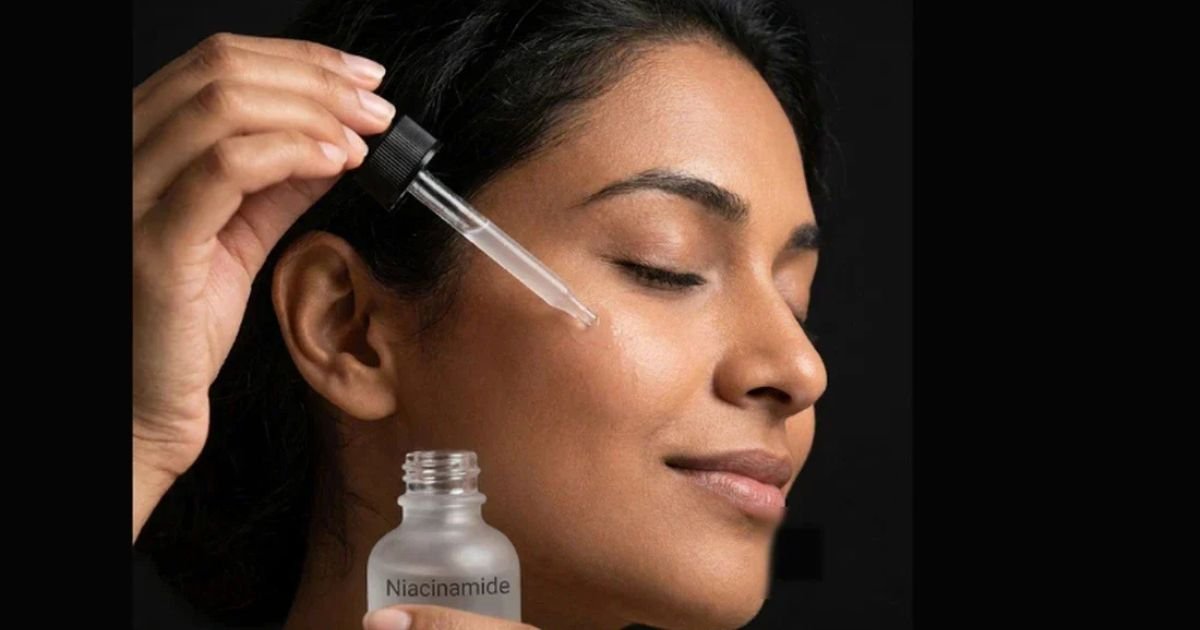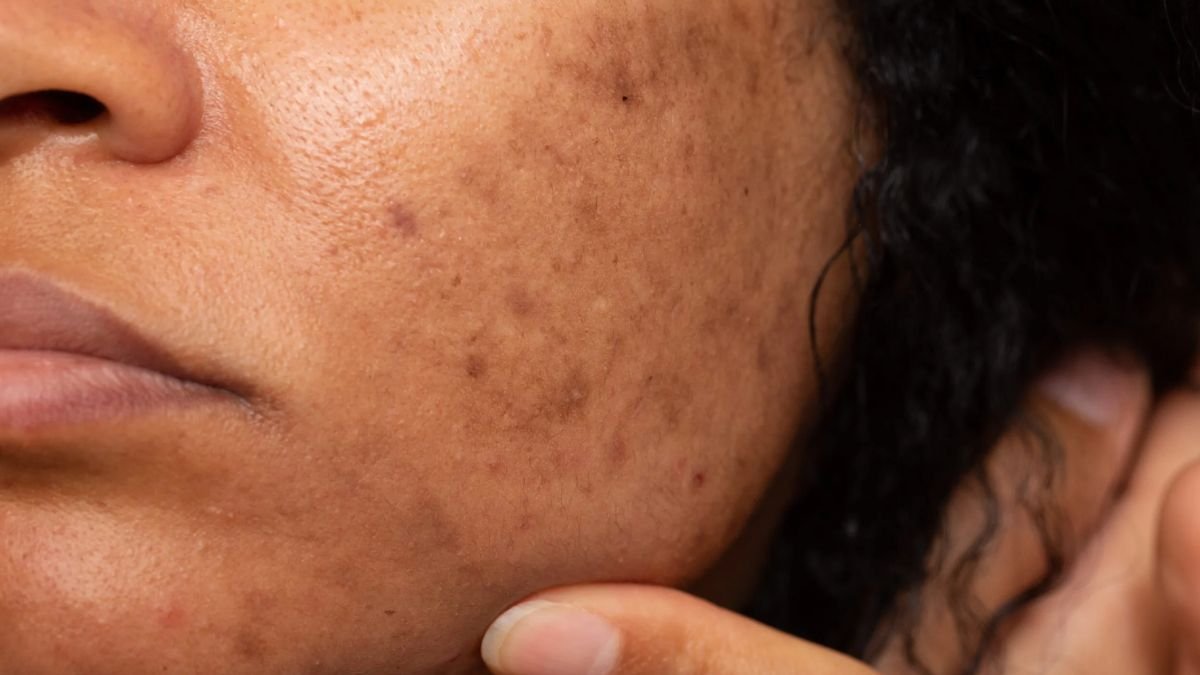
Aging is a natural process that affects everyone, but the way skin ages can vary significantly depending on lifestyle, environment, and daily habits. Dermatologists often point out that while genetics certainly play a role, external factors have a much greater influence on how youthful a person’s skin appears over time. One interesting comparison that frequently comes up is between European women and Australian women around the age of 50. Many skin experts suggest that, on average, European women tend to show fewer visible signs of aging. This isn’t because one group has “better” genes than the other, but rather because of differences in climate, sun exposure, skincare habits, and overall lifestyle. Here are ten dermatologist-backed reasons that may explain these noticeable differences.
Australia’s Strong UV Radiation Accelerates Skin Aging
One of the biggest reasons dermatologists mention is Australia’s extremely high ultraviolet (UV) radiation levels. Due to its geographical location and thinner ozone layer in some regions, Australians are exposed to stronger UV rays than most Europeans. Years of cumulative sun exposure break down collagen and elastin—the proteins responsible for keeping skin firm and smooth. This process, known as photoaging, often leads to wrinkles, pigmentation, and sagging skin much earlier than natural aging alone.
Europeans Often Receive Less Lifetime Sun Exposure
Many parts of Europe experience milder climates, shorter summers, and fewer days of intense sunshine throughout the year. Because of this, European women generally accumulate less lifetime UV damage. Dermatologists emphasize that every hour spent in strong sunlight without proper protection contributes to premature aging. Even though Europeans also enjoy outdoor activities, the intensity of the sun is often lower than in Australia, reducing long-term skin damage.
Daily Sunscreen Habits Make a Significant Difference
Modern dermatologists consistently recommend wearing sunscreen every day, regardless of the weather. While sunscreen awareness has increased in both Europe and Australia, many women who have maintained consistent SPF use since their younger years often show fewer visible signs of aging. Broad-spectrum sunscreen protects against UVA rays that penetrate deep into the skin and gradually cause wrinkles, age spots, and loss of elasticity. Daily protection remains one of the most effective anti-aging strategies available.
Skincare Routines Tend to Be More Consistent
Dermatologists note that many European women often prioritize simple but consistent skincare routines over constantly switching products. Cleansing, moisturizing, applying sunscreen, and using dermatologist-approved ingredients such as retinol or vitamin C are habits that help maintain healthier skin over time. Consistency usually produces better long-term results than expensive treatments used only occasionally. Healthy skin depends more on regular care than on luxury skincare products.
Diet Rich in Fresh Foods Supports Healthy Skin
Nutrition has a direct impact on skin health. Traditional Mediterranean and many European diets include generous amounts of fruits, vegetables, olive oil, fish, nuts, and whole grains. These foods provide antioxidants, healthy fats, vitamins, and minerals that help reduce inflammation and protect skin cells from oxidative stress. Dermatologists frequently explain that diets rich in antioxidants can support collagen production and improve the skin’s natural repair processes, contributing to a more youthful appearance.
Hydration and Moisture Preservation Matter
Keeping skin hydrated is another important factor in maintaining a youthful appearance. Hydrated skin looks smoother, softer, and more radiant, while dehydrated skin often makes fine lines appear more noticeable. Many dermatologists encourage using moisturizers that strengthen the skin barrier while also drinking adequate amounts of water throughout the day. Although hydration cannot completely prevent wrinkles, it improves overall skin texture and supports healthy aging over time.
Smoking and Lifestyle Choices Affect Skin Quality
Lifestyle habits significantly influence how skin ages. Smoking is widely recognized as one of the leading causes of premature wrinkles because it restricts blood flow to the skin and damages collagen fibers. Excessive alcohol consumption, poor sleep, chronic stress, and unhealthy eating habits can also accelerate visible aging. Dermatologists stress that women who avoid smoking, exercise regularly, sleep well, and maintain balanced lifestyles often retain healthier-looking skin well into their fifties and beyond.
Preventive Dermatology Is Becoming More Common
Preventive skincare has become increasingly popular across many European countries. Instead of waiting until wrinkles become severe, many women seek professional advice early to establish healthy skincare routines. Dermatologists often recommend regular skin examinations, personalized skincare plans, and early treatment of pigmentation or sun damage before it progresses. Preventive care helps maintain skin health rather than attempting to reverse years of accumulated damage later in life.
Genetics Matter, But They Are Only Part of the Story
Genetics certainly influence skin thickness, pigmentation, collagen production, and the rate at which wrinkles develop. However, dermatologists consistently emphasize that environmental factors usually have a greater effect than genetics alone. Two individuals with similar genetic backgrounds can experience very different aging outcomes depending on their sun exposure, skincare habits, nutrition, smoking history, and overall health. This means that while genes provide the foundation, everyday choices largely determine how the skin ages over the decades.
Healthy Aging Is About Long-Term Habits, Not Perfection
Perhaps the most important lesson dermatologists share is that youthful-looking skin is the result of consistent long-term habits rather than miracle products or quick fixes. Wearing sunscreen daily, eating a nutritious diet, staying physically active, getting enough sleep, avoiding smoking, managing stress, and following a simple skincare routine all contribute to healthier skin. No single habit can completely stop aging, but together they can slow many visible signs and improve skin quality over time. The goal should not be to eliminate every wrinkle but to maintain healthy, resilient skin throughout life.
Final Thoughts
The comparison between European women and Australian women at the age of 50 highlights how environmental exposure and lifestyle choices can significantly influence skin aging. Dermatologists generally agree that stronger UV radiation in Australia plays a major role in accelerating visible aging, while lower cumulative sun exposure in many parts of Europe may help preserve youthful skin for longer. However, geography alone does not determine how someone ages. Daily sunscreen use, balanced nutrition, proper hydration, consistent skincare, healthy lifestyle habits, and preventive dermatological care are all factors that can benefit anyone, regardless of where they live. Aging is inevitable, but caring for your skin consistently and protecting it from unnecessary damage can help you maintain healthy, vibrant skin for many years to come.