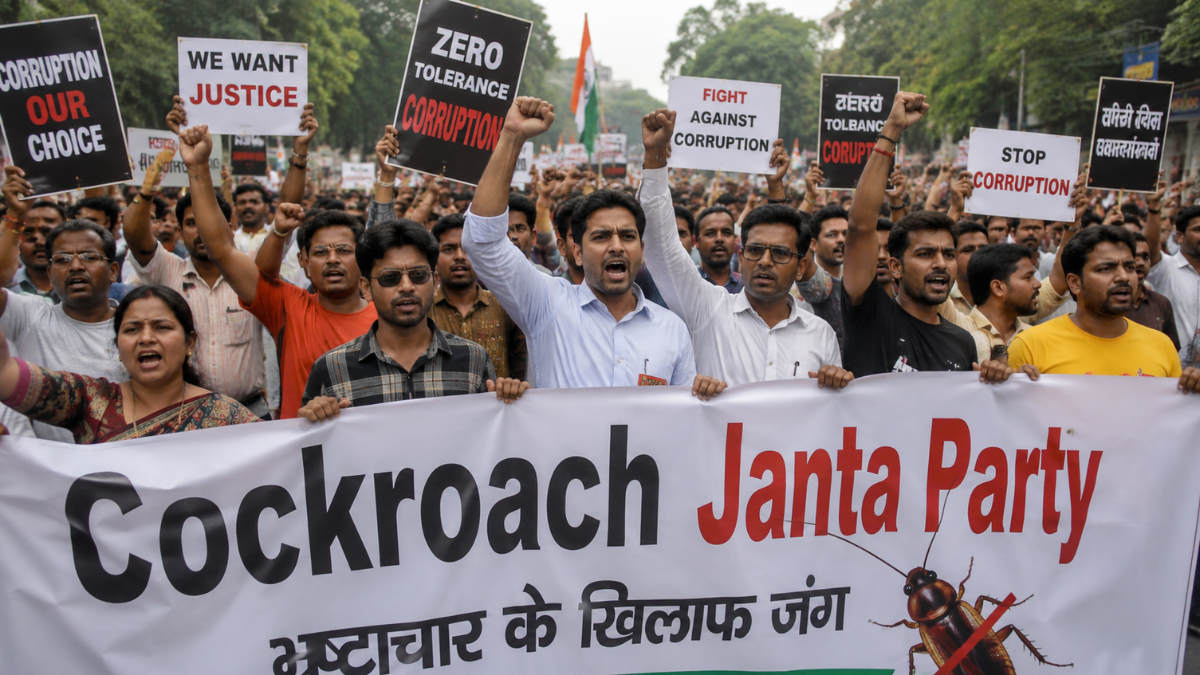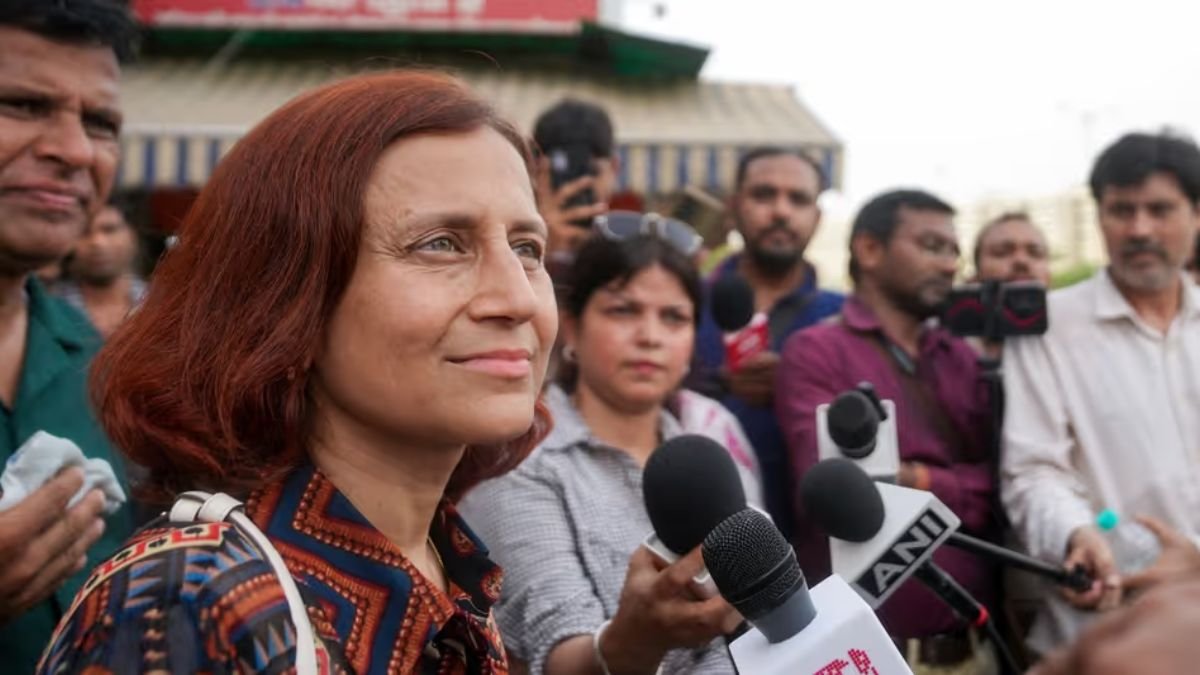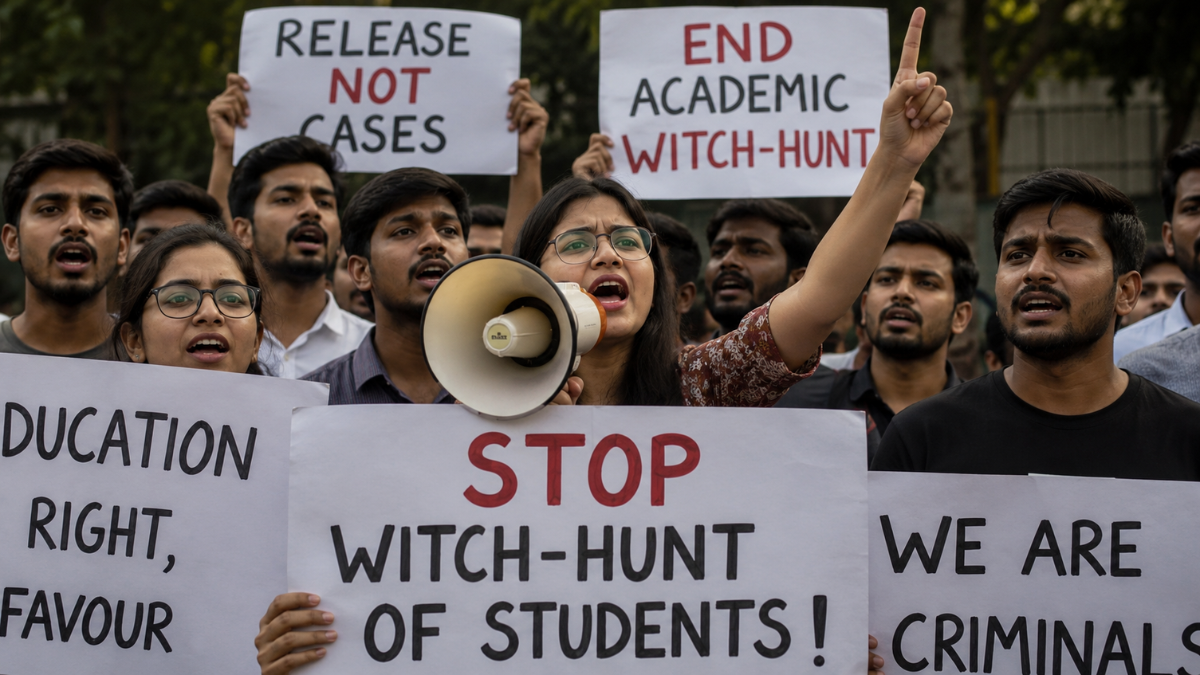
The debate surrounding issues concerning students has intensified once again in the country. The Civil Justice Platform (CJP) has appealed to the government to immediately halt the alleged actions and harassment directed at students ‘Witch-Hunt’. The organization warns that if this trend continues, a new nationwide movement could emerge. This statement has sparked fresh discussions among student organizations, academicians, and political circles.
What warning did the CJP issue to the government?
The CJP states that the nature of the actions being taken against students raises questions about democratic values. The organization has urged the government to listen to the students rather than targeting them. The CJP has clearly stated that if this alleged “witch hunt” does not stop, the country could witness a new movement.
What does the term ‘witch hunt’ mean?
The term ‘witch-hunt’ refers to a situation where an individual or group is persistently targeted or subjected to harsh action without sufficient grounds. The CJP alleges that certain students are being subjected to such treatment. However, the government may hold a different perspective regarding this allegation.
Why have student-related issues become a topic of discussion?
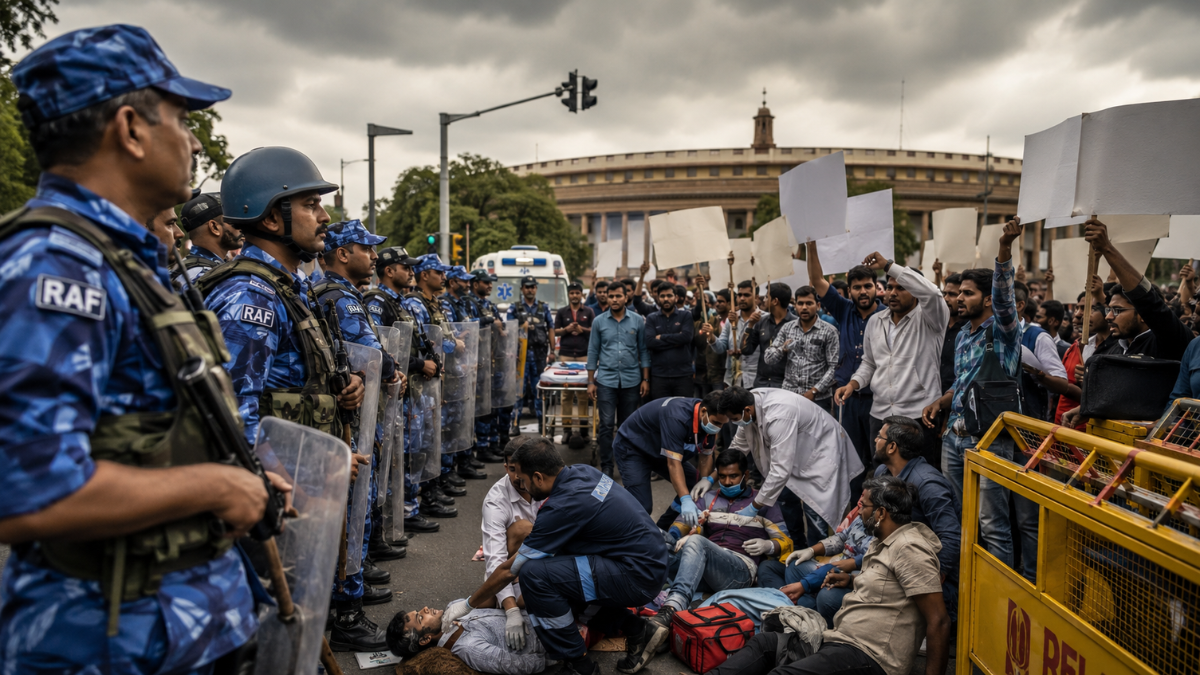
Recently, controversies involving students have surfaced across various universities and educational institutions. There have been instances of protests, disciplinary actions, and reports of police intervention. These events have ignited a fresh debate regarding student rights and freedom of expression.
What are the CJP’s key demands?
The organization has demanded that the government conduct an impartial review of the alleged harsh actions taken against students. It also advocates for a dialogue-based approach to resolve such disputes peacefully. The CJP believes that dialogue forms the strongest foundation of a democratic system.
The government’s likely stance
The government has consistently maintained that maintaining law and order is its primary responsibility. If rules are violated in any instance, action is taken in accordance with the law. In this context, the government’s stance could be that the measures taken are in accordance with legal procedures and are not intended to target any specific group.
Reaction of student organizations
Several student organizations have supported the CJP’s statement. They argue that universities are not merely centers of learning but also vital platforms for deliberation and democratic dialogue. Conversely, some other groups believe that any movement should be conducted peacefully and within the confines of the law.
What could be the impact on the education system?
If tensions between students and the administration escalate, it could directly affect academics, examinations, and the normal functioning of universities. A prolonged dispute disrupts the academic environment and can cast uncertainty over the students’ future. Therefore, finding a timely resolution is considered to be in the best interest of all parties involved.
The role of students in a democracy
Throughout India’s democratic history, students have participated in numerous significant movements. Youth activism regarding social and political issues is regarded as a crucial component of democracy. However, experts believe that maintaining a balance between protest and dialogue is equally essential.
What might happen next?
If dialogue takes place between the government and the concerned parties, the likelihood of the dispute subsiding could increase. However, if both sides remain entrenched in their respective positions, protests and agitations could intensify. The reactions of the government and student organizations to this issue in the coming days will be significant.
Conclusion
The warning issued to the government by the CJP has sparked a fresh debate regarding student rights and democratic freedoms. On one hand, the organization demands an end to the alleged harassment of students, while on the other, the government emphasizes the maintenance of law and order and adherence to regulations. In such matters, the most effective solution can only be achieved through dialogue, transparency, and a fair process.
It will be important to observe how the government, student organizations, and other stakeholders resolve this issue in the future. For now, it is clear that this matter extends beyond just the students; it is also linked to the education system, democratic values, and the culture of dialogue within society.