When people think about sunscreen, summer is usually the first thing that comes to mind. Beaches, hot weather, vacations, and strong sunlight often remind us to apply SPF before stepping outside. But according to many skin experts and dermatologists, winter may be one of the most overlooked seasons when it comes to sun protection.
Recently, Australian skincare professionals have started encouraging people to use higher SPF formulas, including SPF 70, even during colder months. At first, this advice surprised many people. After all, winter sunlight feels softer and temperatures are lower. However, experts say ultraviolet rays remain active year-round and can continue damaging the skin even when the weather feels cool or cloudy.
The growing conversation around SPF 70 is not about fear — it is about prevention, healthy skin habits, and long-term protection. Here are the key reasons skin experts believe stronger sun protection matters even in winter weather.
UV Rays Do Not Disappear During Winter
One of the biggest misconceptions about sunscreen is that UV exposure only matters during summer. In reality, ultraviolet rays are present throughout the year, including during winter months.
While temperatures drop in colder seasons, UVA rays continue penetrating the skin. These rays are associated with premature aging, fine lines, uneven skin tone, and long-term skin damage. Unlike UVB rays, which are stronger during peak summer months, UVA exposure remains relatively constant all year.
Dermatologists explain that people often underestimate how much sun exposure they receive during daily activities such as driving, walking outside, or sitting near windows. Even small amounts of repeated exposure can gradually affect skin health over time.
Higher SPF Offers Extra Protection for Daily Exposure
SPF 70 does not mean someone can stay in the sun forever without consequences, but it does provide a higher level of UVB protection compared to lower SPF products.
For example, SPF 30 blocks around 97% of UVB rays, while SPF 70 can block slightly more. Although the percentage difference may seem small, dermatologists say this extra protection can become meaningful over long periods of repeated exposure.
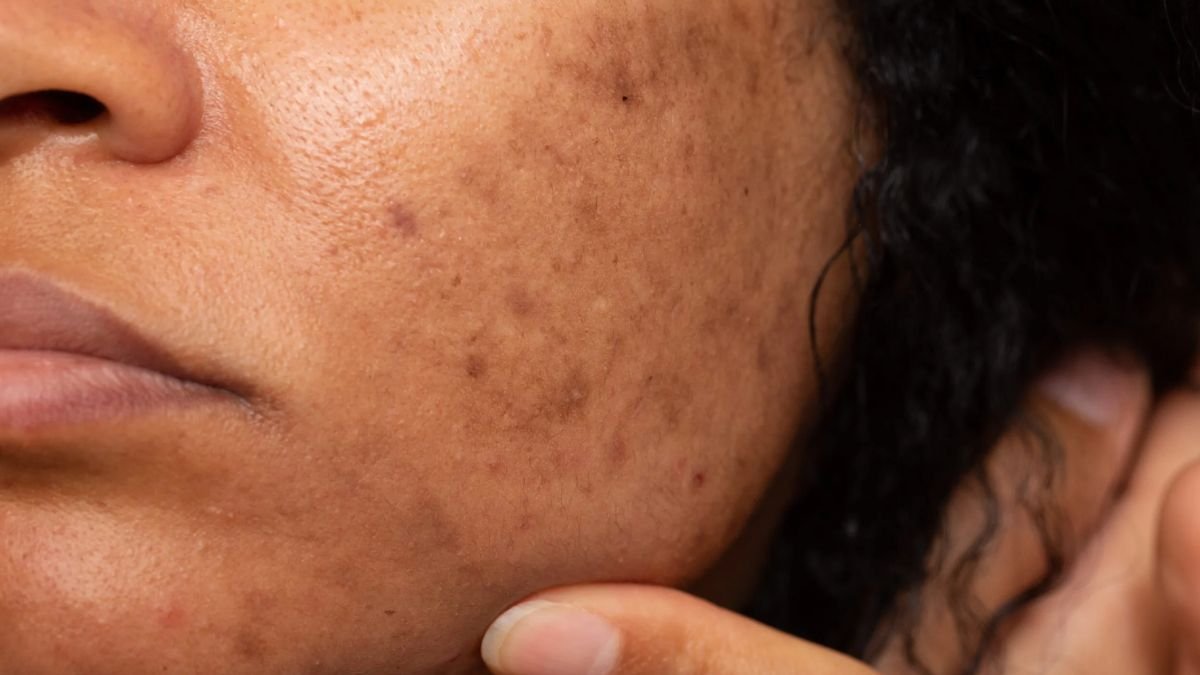
People with fair skin, pigmentation issues, melasma, or sensitive skin may especially benefit from higher SPF levels because their skin reacts more easily to UV damage.
Winter Sun Can Still Cause Premature Aging
Many people focus on sunscreen only to avoid sunburn, but skin experts say one of the biggest concerns is actually premature aging.
UVA rays penetrate deeply into the skin and contribute to collagen breakdown. Over time, this may lead to wrinkles, dullness, loss of firmness, and uneven texture.
Australian dermatologists often stress that daily sunscreen use is one of the most effective anti-aging habits available. Even luxury skincare products may struggle to deliver visible results if the skin remains unprotected from ongoing UV exposure.
Using SPF 70 during winter can help create a stronger defense against the subtle daily damage that accumulates over the years.
Cloudy Weather Does Not Fully Block UV Radiation
Another reason experts recommend winter SPF is because clouds do not completely stop ultraviolet rays from reaching the skin.
Many people assume overcast skies mean they are safe from sun exposure, but UV radiation can still pass through clouds. In some cases, cloud reflection may even increase certain types of exposure.
This is why dermatologists encourage people to think about sunscreen as part of a daily skincare routine rather than something reserved only for bright sunny days.
Consistent protection matters more than occasional use.
Australian Climate Conditions Increase UV Awareness
Australia has one of the highest skin cancer rates in the world, which is why Australian dermatologists are particularly serious about sun protection education.
Even during winter, UV levels in many Australian regions remain relatively strong compared to other countries. As awareness around skin damage grows, experts are becoming more proactive about recommending stronger SPF options year-round.
This trend has also influenced global skincare conversations, especially among people focused on prevention and healthy aging.
Indoor Light and Window Exposure May Affect Skin Too
Many people spend most of winter indoors and assume sunscreen is unnecessary. However, skin experts point out that UVA rays can penetrate glass windows.
This means exposure may still happen while:
driving a car
working near office windows
sitting in natural daylight indoors
Some dermatologists also discuss the possible effects of visible light exposure, particularly for people with melasma or pigmentation concerns.
While indoor exposure is usually lower than direct outdoor sunlight, daily accumulation still matters when it comes to long-term skin health.
Modern SPF Formulas Feel More Comfortable Than Before
One reason some people avoided high SPF formulas in the past was because older sunscreens often felt heavy, greasy, or left a white cast on the skin.
Today’s formulations have improved significantly. Many SPF 70 products now include lightweight textures, skincare ingredients, hydration benefits, and invisible finishes suitable for daily wear.
Modern sunscreens are often designed to work smoothly under makeup without feeling thick or uncomfortable. This makes daily use much easier, especially during colder months when skin may already feel dry or sensitive.
Winter Activities Can Increase UV Reflection
Snow, water, and reflective surfaces can bounce UV rays back onto the skin. This is particularly important for people who spend time skiing, hiking, or participating in outdoor winter activities.
Even on cold days, reflected sunlight may intensify exposure levels. Areas like the nose, cheeks, and under-eye region are often especially vulnerable.
Dermatologists say many people return from winter vacations with unexpected sun damage simply because they assumed the cold weather protected them.
Prevention Is Easier Than Repairing Damage Later
One of the strongest reasons skin experts recommend sunscreen is because preventing damage is far easier than trying to reverse it later.
Skincare treatments targeting pigmentation, wrinkles, or sunspots can become expensive and time-consuming. Consistent SPF use helps reduce the chances of developing many of these issues in the first place.
Many dermatologists describe sunscreen as the foundation of every effective skincare routine. Without protection, even high-quality serums and treatments may deliver limited long-term benefits.
SPF 70 is simply another step toward strengthening that daily protection.
Healthy Skin Habits Work Best When They Become Routine
Experts often say the most effective skincare habits are the ones people follow consistently. Applying sunscreen only during vacations or beach trips usually is not enough for long-term skin protection.
By treating SPF as a year-round essential, people create healthier habits that support skin quality over time. Winter sunscreen use may feel unnecessary at first, but consistency is what makes the difference.
The growing recommendation for SPF 70 reflects a broader shift in skincare culture — one focused less on fixing problems and more on preventing them before they appear.
Final Thoughts
The idea of wearing SPF 70 during winter may seem excessive to some people, but dermatologists say the recommendation is based on long-term skin health rather than seasonal trends.
UV rays remain active throughout the year, and daily exposure can quietly contribute to aging, pigmentation, and skin damage over time. Higher SPF formulas offer an added layer of protection, especially for sensitive or sun-reactive skin types.
While sunscreen alone cannot guarantee perfect skin, it remains one of the simplest and most effective skincare habits available. As Australian skin experts continue emphasizing prevention, more people are beginning to understand that healthy skin protection is not just a summer routine — it is an everyday commitment.