
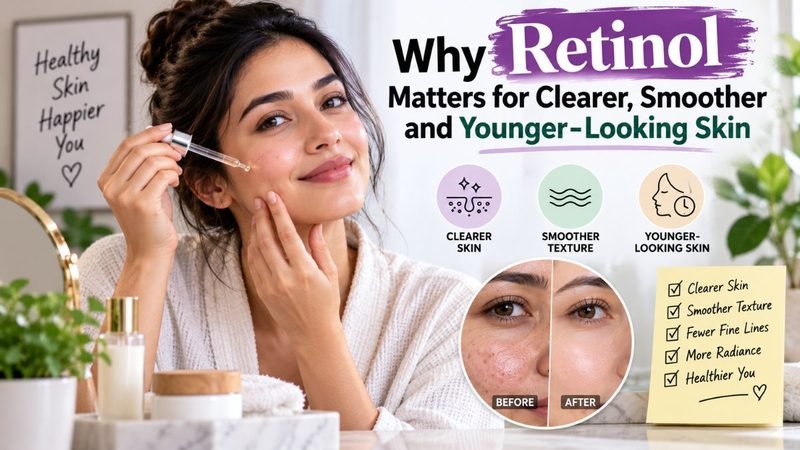
Retinol has become one of the most talked-about ingredients in modern skincare, and there is a good reason for its popularity. Often associated with smoother skin, fewer visible signs of aging, and a more even complexion, retinol is a form of vitamin A that can support several aspects of skin health. Unlike many trendy skincare ingredients that become popular overnight, retinol has been studied and used in dermatology for years. Still, adding it to a routine requires patience and consistency because it can be irritating when introduced too quickly. Here is a quick review of why retinol matters and what you should know before making it part of your skincare routine.
Retinol Supports Natural Skin Renewal
One of the biggest reasons people use retinol is its ability to encourage the skin’s natural renewal process. As we get older, skin-cell turnover tends to slow down, which can leave the complexion looking dull or uneven. Retinol helps support faster turnover, allowing newer-looking skin cells to come to the surface. Over time, this can make the skin appear fresher and smoother. It does not transform the skin overnight, though. Regular use is important, and visible improvements usually take time rather than appearing after just a few applications.
It Can Help Reduce the Appearance of Fine Lines
Fine lines are one of the main concerns that lead people to try retinol. Retinoids are known for supporting collagen production, an important protein that helps give skin its structure and firmness. With continued use, retinol may help make fine lines look less noticeable and improve the overall texture of aging skin. The key word is consistency. Retinol is not an instant wrinkle eraser, but when used properly over time, it can become a valuable part of an anti-aging skincare routine.
Retinol Can Improve Uneven Skin Texture
If your skin feels rough, bumpy, or generally uneven, retinol may help. By supporting cell turnover, it can gradually improve the appearance and feel of the skin’s surface. People often notice that their complexion feels softer and looks more refined after using retinol consistently. This is particularly useful for those who want a smoother base before applying makeup. However, using more retinol does not necessarily mean getting faster results. Applying too much can cause dryness and irritation, which may actually make the skin look worse temporarily.
It May Help With Acne and Clogged Pores
Retinol is not only about aging skin. It can also be useful for people dealing with clogged pores and occasional breakouts. Retinoids can help prevent dead skin cells from building up inside pores, which may reduce the likelihood of certain types of acne. Over time, this can contribute to a clearer-looking complexion. People with acne-prone skin may benefit from a retinoid-based routine, although stronger prescription retinoids are different from over-the-counter retinol products. Anyone with persistent or severe acne should consider professional dermatological advice.
Retinol Can Help Even Out the Appearance of Skin Tone
Dark spots, post-acne marks, and uneven pigmentation can make the complexion appear less uniform. Because retinol supports skin renewal, it may gradually help improve the appearance of uneven pigmentation. The process takes patience, especially when discoloration has been present for a long time. Retinol should also be paired with daily sun protection. Without sunscreen, continued UV exposure can contribute to pigmentation and undermine efforts to achieve a more even-looking complexion.
It Can Make Skin Look Fresher and More Radiant
A dull complexion can sometimes be linked to the buildup of older skin cells on the surface. By encouraging renewal, retinol can help the skin develop a smoother and fresher appearance. This is one reason people often describe their skin as looking brighter after establishing a consistent routine. However, a healthy glow should not be confused with irritation. Red, burning, peeling skin is not a sign that retinol is working better. Healthy progress should generally be gradual and comfortable.
Starting Slowly Is One of the Most Important Rules
Retinol can be powerful, especially for someone who has never used a retinoid before. Starting slowly is therefore one of the best ways to reduce unnecessary irritation. Beginners may choose to apply a small amount only a few times a week instead of using it every night immediately. The amount matters too; more product does not automatically produce better results. A pea-sized amount is commonly recommended for the entire face. Applying it to completely dry skin and following with moisturizer can also make the routine easier to tolerate.
Moisturizer and Sunscreen Matter Just as Much
Retinol should not be treated as a standalone miracle product. A simple supporting routine can make a major difference. A gentle cleanser and moisturizer can help maintain the skin barrier, while broad-spectrum sunscreen during the daytime is especially important. Retinol can make some people’s skin more sensitive to irritation, and UV exposure can worsen several skin concerns that users are trying to improve. If you are investing time in a retinol routine, protecting your skin from the sun should be considered an essential part of the process rather than an optional extra.
Not Everyone Needs the Same Retinol Routine
Skincare is highly individual, so there is no single retinol routine that works perfectly for everyone. Someone with oily, resilient skin may tolerate retinol differently from someone with dry or sensitive skin. Product strength, frequency, formulation, and the rest of the skincare routine all matter. It is also important to be careful when combining retinol with other potentially irritating active ingredients. Introducing several strong products at the same time can make it difficult to know what is causing irritation. A simpler routine is often a better starting point.
Patience Is the Real Secret Behind Retinol
Perhaps the most important thing to understand about retinol is that results take time. Skincare marketing can make it seem as though one product will completely change your face within a few days, but retinol does not work that way. Improvements in texture, fine lines, pigmentation, and overall appearance generally require consistent use over an extended period. Some people experience dryness or irritation during the adjustment phase, while others tolerate it more easily. If irritation becomes severe or persistent, stopping the product and speaking with a dermatologist is the safer choice.
Quick Review: Is Retinol Worth Trying?
Overall, retinol remains a popular skincare ingredient because it addresses several common concerns at once, including visible fine lines, uneven texture, clogged pores, and an uneven-looking complexion. Its biggest advantage is that it works gradually rather than simply providing a temporary surface-level effect. At the same time, it is not suitable for every person or every skincare situation. Beginners should start cautiously, use moisturizer, avoid overloading the skin with multiple irritating ingredients, and make sunscreen a daily habit.
Retinol can be a useful addition to a well-balanced skincare routine, but consistency matters more than using a high strength or applying it excessively. The goal should not be to make the skin peel or feel uncomfortable. Instead, the goal is to gradually support healthier-looking, smoother, and more youthful-looking skin. If you have sensitive skin, a specific skin condition, or questions about whether retinol is appropriate for you, a dermatologist can help you choose the safest approach.