Many people think sunscreen is only necessary during hot summer days, but that idea can leave your skin unprotected during a large part of the year. Winter may feel cooler and the sunlight may seem less intense, yet ultraviolet (UV) radiation can still reach your skin. This is why adding a good sunscreen to your winter skincare routine can be a smart daily habit. Whether you spend most of your day outdoors, commute to work, sit near windows, or simply enjoy occasional winter walks, sunscreen can help provide protection against UV exposure. Here are 10 important points to understand about using SPF++++ during winter.
UV Rays Do Not Disappear in Winter
One of the biggest misconceptions about winter skincare is that the sun becomes harmless once temperatures drop. Temperature and UV radiation are two different things. Even on a cold or cloudy day, UV rays can reach the Earth’s surface and affect exposed skin. While UV levels can vary depending on the season, location, weather, and time of day, winter does not automatically mean zero UV exposure. Continuing to use sunscreen helps maintain consistent protection instead of treating sun protection as a seasonal habit.
UVA Rays Can Remain a Concern
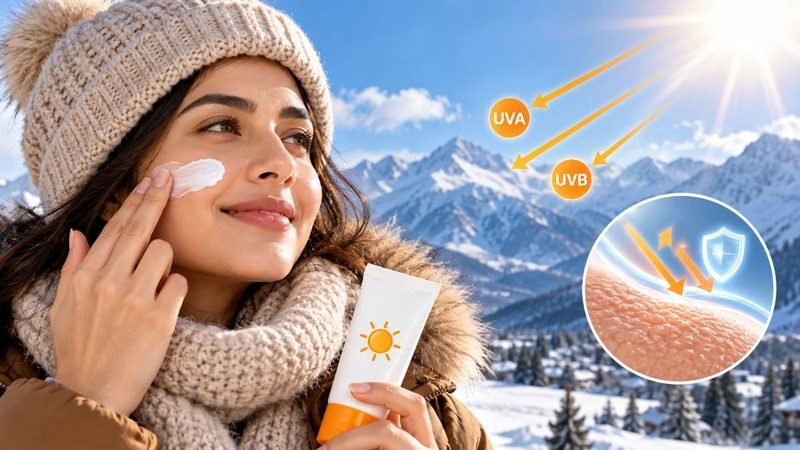
When people think about sun protection, they often focus on UVB rays because they are strongly associated with sunburn. However, UVA radiation is also important when discussing everyday skin protection. UVA rays can penetrate deeper into the skin and are associated with premature skin aging and long-term skin damage. UVA exposure can occur throughout the year, which is one reason many dermatologists recommend making broad-spectrum sunscreen part of a regular skincare routine rather than using it only during summer.
Winter Clouds Do Not Guarantee Protection
A grey, cloudy winter morning can make the sun feel almost nonexistent, but clouds do not necessarily block all UV radiation. Depending on cloud conditions, some UV radiation can still reach your skin. This can make winter sun exposure easy to overlook because you may not feel the same heat or brightness associated with summer. Applying sunscreen before heading outside can therefore be a simple way to avoid relying on how the weather feels as an indicator of UV exposure.
Snow and Bright Surfaces Can Reflect UV Radiation
For people living in or traveling to snowy areas, winter sun protection can become even more relevant. Snow and ice can reflect UV radiation, increasing exposure to areas such as the face and other uncovered skin. This is particularly important during outdoor activities such as skiing, snowboarding, hiking, or long walks in bright winter conditions. Sunglasses, protective clothing, and sunscreen can work together to provide more comprehensive protection when spending extended periods outdoors.
SPF Should Be Part of a Daily Routine
One of the easiest ways to stay consistent with sunscreen is to stop thinking of it as a special summer product. Instead, make it part of your normal morning skincare routine. After applying your usual skincare products and before makeup, sunscreen can become the final step of your daytime skincare routine. A consistent habit is often easier to maintain than remembering to apply sunscreen only when the weather is particularly sunny. This approach also helps reduce the chance of accidentally skipping protection on days when UV exposure is still present.
SPF and PA Ratings Serve Different Purposes
When choosing sunscreen, it helps to understand what the labels mean. SPF primarily indicates the level of protection against UVB radiation, while broad-spectrum protection addresses both UVA and UVB radiation. Some products also use a PA rating system to indicate UVA protection. The term “SPF++++” is sometimes used informally in skincare discussions, but it is important to check the actual product label because SPF and PA are separate rating systems. Rather than focusing only on a catchy rating, look for a reputable broad-spectrum sunscreen that suits your skin and daily activities.
Winter Air Can Make Skin Feel Dry
Cold weather often comes with lower humidity, indoor heating, and environmental conditions that can leave skin feeling dry or uncomfortable. Sunscreen does not replace a moisturizer, but modern sunscreens are available in many hydrating formulas that can fit comfortably into a winter skincare routine. People with dry skin may prefer moisturizing sunscreen formulas, while those with oily or combination skin may feel more comfortable with lightweight or gel-based products. Choosing a texture that feels pleasant can make it easier to apply sunscreen consistently.
Sunscreen Is Not Only for Beach Days
Another common misconception is that sunscreen is necessary only when spending hours at the beach or on vacation. Everyday exposure can also add up over time, especially for people who commute, walk outdoors, exercise outside, or spend significant time near windows. Winter routines can involve outdoor shopping, morning walks, school or office commutes, and weekend activities. Even when exposure is relatively brief, making sunscreen part of your regular routine removes the need to decide every morning whether the day is “sunny enough” for protection.
Reapplication Depends on Your Exposure
Putting sunscreen on once in the morning may be practical for some ordinary indoor days, but sunscreen can wear away with time, sweating, rubbing, washing, or other activities. If you are spending extended periods outdoors, reapplication becomes more important. Swimming, exercising, or heavy sweating may also require more frequent attention. Following the directions on your sunscreen product is the best way to understand how often it should be reapplied. Remember that sunscreen works best as one part of a broader sun-protection strategy that can include shade, clothing, hats, and sunglasses.
Winter Is a Good Time to Build Better Skincare Habits
Perhaps the biggest advantage of continuing sunscreen during winter is consistency. Good skincare habits are easier to maintain when they become part of your everyday routine rather than something you remember only during certain seasons. Sunscreen can be combined with gentle cleansing, appropriate moisturizing, and other products suited to your skin type. If you have specific skin concerns, such as pigmentation or sensitivity, a dermatologist can help you choose products that fit your individual needs. The goal is not to create a complicated routine but to make daily sun protection a simple and sustainable step.
Final Quick Review
So, is using SPF++++ important during winter too? Yes, daily sun protection can still be useful during winter, because cooler temperatures do not eliminate UV radiation. The exact level of protection you need depends on factors such as your location, UV index, outdoor exposure, skin type, and activities. A broad-spectrum sunscreen with an appropriate SPF, used according to its directions, can be a practical addition to your winter routine.
The key takeaway is simple: do not judge UV exposure by temperature alone. Winter may feel cold, cloudy, or less intense than summer, but your skin can still encounter ultraviolet radiation. Making sunscreen a year-round habit is a straightforward way to keep sun protection consistent throughout the seasons.