Samsung has kicked off 2026 with an impressive financial performance, reporting record-breaking earnings in the first quarter of the year. The company’s success has largely been fueled by the rising global demand for artificial intelligence technologies and the powerful semiconductor chips needed to support them. As industries around the world continue to adopt AI-driven systems, Samsung has found itself at the center of one of the biggest technological shifts in recent years.
The strong earnings report reflects not only Samsung’s leadership in the semiconductor industry but also its ability to adapt quickly to changing market demands. From AI data centers to smart devices and cloud computing, the company’s advanced chip technology has become increasingly important in powering the digital future.
AI Boom Creates Massive Demand for Chips
Artificial intelligence has become one of the fastest-growing sectors in the technology world. Companies are investing billions into AI systems that require high-performance memory chips and advanced processors. Samsung, being one of the world’s leading semiconductor manufacturers, has benefited enormously from this trend.
The company experienced a major surge in demand for its memory products, especially high-bandwidth memory chips used in AI servers and data centers. These chips are essential for handling complex AI tasks, including machine learning, data analysis, and generative AI applications. As more businesses adopt AI tools, the need for faster and more efficient semiconductors continues to grow rapidly.
Samsung’s semiconductor division reportedly played the biggest role in boosting overall profits during the quarter. After facing a difficult period in the global chip market over the last few years, the company has now returned stronger than ever due to the AI revolution.
Semiconductor Division Leads the Growth
Samsung’s chip business has long been considered the backbone of the company’s global success. In Q1 2026, this division became the main engine behind the company’s record earnings. Rising prices for memory chips, combined with strong sales volumes, helped generate significant revenue growth.
The global competition in AI technology has also intensified demand for advanced semiconductor solutions. Tech giants and cloud service providers are expanding their infrastructure to support AI-powered services, creating massive opportunities for companies like Samsung. The company’s ability to manufacture cutting-edge chips at a large scale has given it a major advantage in this competitive market.
Industry experts believe Samsung’s investments in semiconductor research and development over the past several years are finally paying off. The company has focused heavily on innovation, efficiency, and next-generation chip technology, which has positioned it well for the current AI-driven market expansion.
Smartphone and Consumer Electronics Remain Stable
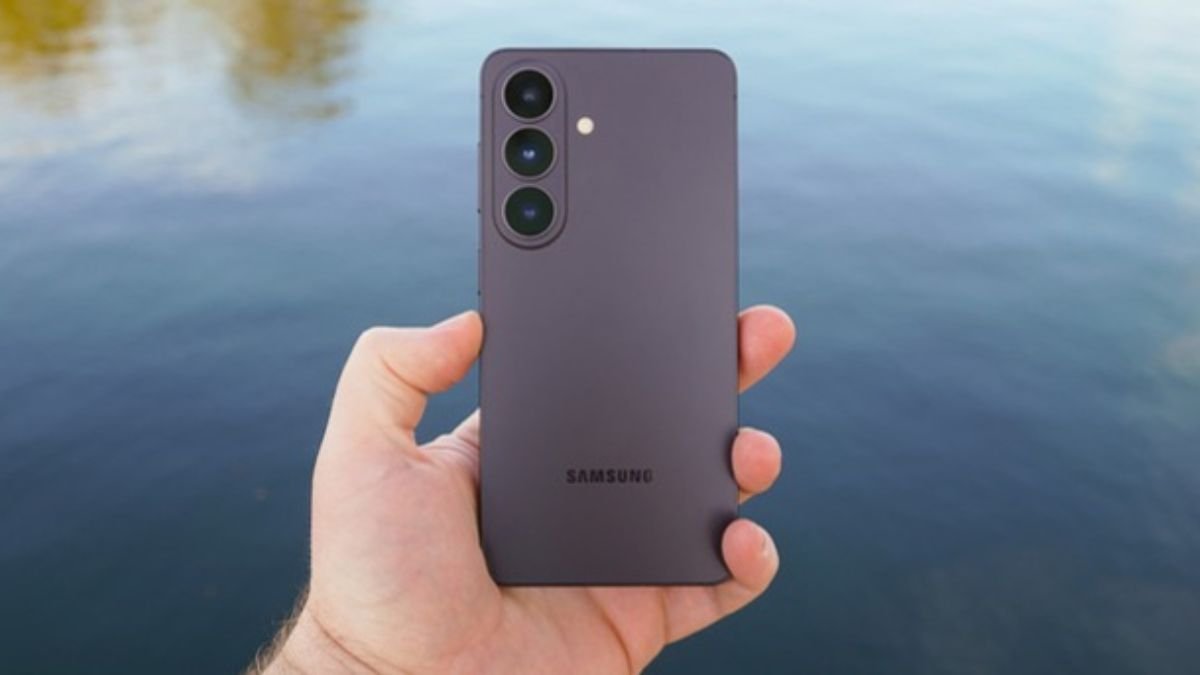
While semiconductors were the main highlight of Samsung’s earnings report, the company’s smartphone and consumer electronics businesses also delivered stable performance. Samsung continues to maintain a strong presence in the global smartphone market with its premium Galaxy devices and foldable phone lineup.
Consumer demand for advanced mobile features, including AI-powered photography, smart assistants, and enhanced productivity tools, has helped Samsung remain competitive. The company has also continued improving its ecosystem of connected devices, including tablets, smartwatches, televisions, and home appliances.
Although these divisions did not grow as dramatically as the semiconductor business, they still contributed positively to Samsung’s overall financial strength. The balanced performance across multiple business segments demonstrates the company’s diversified global presence.
Global AI Race Benefits Samsung
The worldwide race to dominate artificial intelligence technology is creating enormous opportunities for semiconductor companies. Governments, technology firms, and cloud providers are all investing heavily in AI infrastructure. Samsung’s ability to supply essential components for this ecosystem has become a major factor in its financial success.
Many experts believe the AI boom is still in its early stages, meaning demand for advanced chips could continue rising for years. Samsung appears ready to capitalize on this long-term trend through aggressive investments in manufacturing capacity and AI-focused semiconductor innovation.
The company is also expected to strengthen partnerships with global technology firms that rely on powerful memory and processing solutions. As AI applications expand into healthcare, automotive technology, robotics, and smart cities, Samsung’s role in the global technology supply chain may become even more important.
Challenges Still Remain Ahead
Despite the record-breaking quarter, Samsung still faces several challenges. The semiconductor industry is highly competitive, with rivals continuously developing new technologies. Economic uncertainty, geopolitical tensions, and fluctuations in global demand could also impact future performance.
In addition, maintaining leadership in AI semiconductor technology requires constant innovation and heavy investment. Samsung will need to continue improving efficiency, production capabilities, and technological advancements to stay ahead of competitors in the rapidly evolving market.
However, the company’s strong financial performance in Q1 2026 has given investors and industry analysts renewed confidence in Samsung’s long-term growth potential.
Conclusion
Samsung’s record Q1 2026 earnings mark a major milestone for the company and highlight the growing influence of artificial intelligence on the global technology industry. The rapid rise in demand for AI-powered semiconductor chips has transformed Samsung’s chip division into a powerful profit engine once again.
With strong momentum in the semiconductor market, stable consumer electronics sales, and continued investment in advanced technology, Samsung appears well-positioned for future growth. As the AI revolution continues to reshape industries worldwide, Samsung’s leadership in semiconductor innovation could help the company remain one of the most influential technology giants of the modern era.