Many people spend a lot of money on anti-ageing creams, serums, and facial treatments, yet overlook one everyday habit that may quietly affect their skin. According to many skin experts, your shower routine—especially the temperature of the water—can play a significant role in how your skin looks and feels over time.
While a hot shower can be incredibly relaxing after a long day, frequent exposure to very hot water may weaken the skin’s natural protective barrier. Over time, this can contribute to dryness, irritation, and the appearance of fine lines. Although ultraviolet (UV) exposure remains one of the leading causes of premature skin ageing, experts agree that poor daily skincare habits, including excessively hot showers, can also accelerate visible ageing. If you’ve never considered your shower temperature as part of your skincare routine, it might be time to take a closer look. Here’s a quick review of what skin experts recommend.
Why Shower Temperature Matters More Than You Think
Most people focus on cleansers, moisturisers, and sunscreen while ignoring the water they use every day. Extremely hot water strips away the skin’s natural oils, known as sebum, which help maintain hydration and protect against environmental damage. When these protective oils are repeatedly removed, the skin becomes more vulnerable to dryness and irritation. Over time, this can make fine lines, dullness, and rough texture more noticeable. A simple adjustment to your shower temperature could help preserve your skin’s natural balance.
Hot Water Can Damage Your Skin Barrier
Your skin barrier acts like a shield, locking in moisture while keeping harmful irritants out. Hot showers may weaken this protective layer, making it harder for your skin to stay hydrated. When the barrier is compromised, moisture escapes more easily, leaving skin feeling tight, itchy, or flaky after every shower. Healthy skin begins with a strong barrier, which is why dermatologists often recommend warm—not hot—water.
Dry Skin Often Looks Older Than It Really Is
Hydrated skin naturally appears smoother, plumper, and more radiant. On the other hand, dehydrated skin tends to highlight wrinkles, fine lines, and uneven texture.Frequent hot showers can gradually increase water loss from the skin, making it appear older than it actually is. Even if you use expensive skincare products, consistently exposing your skin to very hot water may reduce their effectiveness.
Your Face Is Even More Sensitive
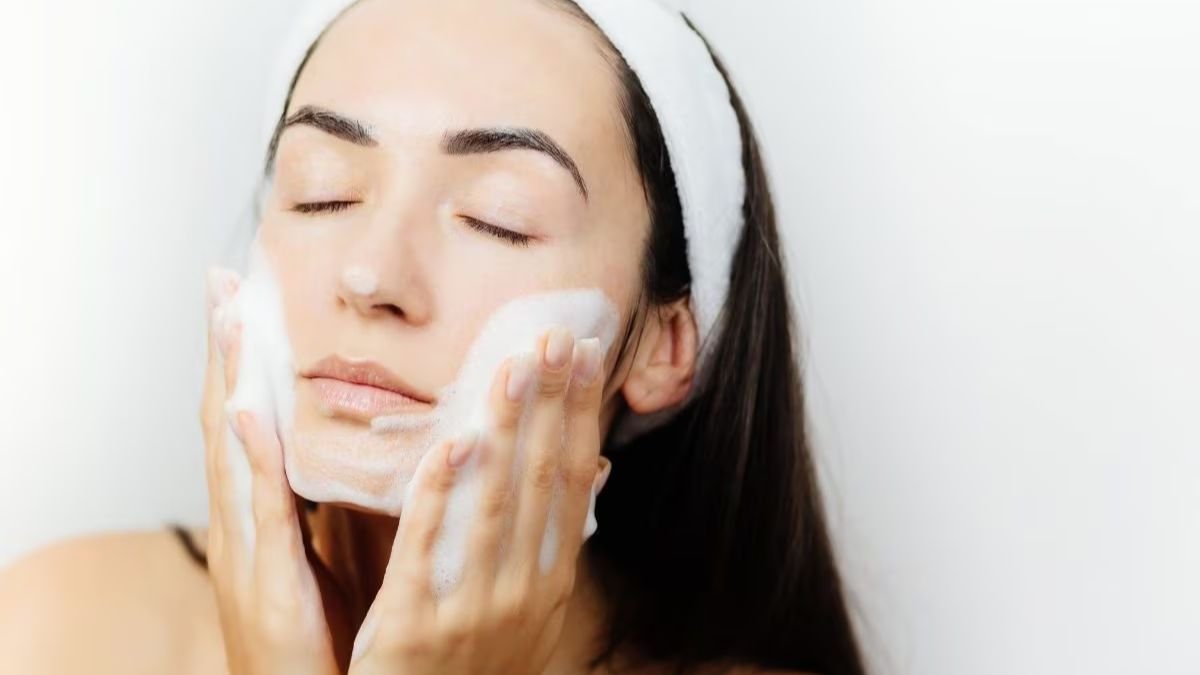
The skin on your face is thinner and more delicate than the skin on most parts of your body. Washing your face with hot water can trigger redness, irritation, and dryness, especially if you have sensitive skin. Many skincare professionals recommend cleansing your face with lukewarm water to protect the skin barrier while effectively removing dirt, oil, and makeup.
Long, Hot Showers May Increase Skin Irritation
It’s not just the temperature that matters—it’s also how long you stay under the water. Spending 20 to 30 minutes in a steaming shower gives hot water more time to remove essential oils from your skin. Experts often suggest limiting showers to around 5–10 minutes using comfortably warm water. This simple habit helps reduce moisture loss while still leaving you feeling clean and refreshed.
Moisturising After Showering Is Essential
One of the easiest ways to protect your skin is by applying a moisturiser immediately after showering. The best time is within a few minutes after gently patting your skin dry with a towel. Moisturisers help lock in remaining moisture and support the skin barrier. Products containing ceramides, glycerin, hyaluronic acid, or shea butter are especially helpful for keeping skin soft and hydrated.
Seasonal Changes Can Make the Problem Worse
During winter, people naturally enjoy hotter showers because of the colder weather. Unfortunately, cold air outside combined with indoor heating already reduces skin moisture. Adding very hot showers to the mix can make dryness even worse. Slightly lowering the shower temperature during colder months may help maintain healthier skin throughout the season.
Healthy Skin Is About Daily Habits
Beautiful skin isn’t built overnight. It’s the result of consistent, healthy habits repeated every day. Using gentle cleansers, staying hydrated, applying sunscreen, eating a balanced diet, getting enough sleep, and avoiding excessively hot showers all work together to support long-term skin health. Small changes often produce noticeable improvements over time.
The Ideal Shower Temperature for Healthy Skin
Most skin experts recommend using lukewarm water instead of very hot water. A comfortable temperature allows you to cleanse your skin effectively without stripping away its protective oils. If you enjoy hot showers, try gradually lowering the temperature during the final few minutes. This small adjustment may help reduce dryness while still allowing you to enjoy a relaxing shower experience.
Small Changes Today Can Protect Your Skin Tomorrow
Preventing premature ageing doesn’t always require expensive products or complicated routines. Sometimes the biggest improvements come from changing simple daily habits that most people never question. Reducing shower temperature, shortening shower time, moisturising immediately afterwards, and protecting your skin from UV exposure can all contribute to healthier, more youthful-looking skin. While hot showers alone are not the primary cause of skin ageing, minimising unnecessary skin stress can help preserve your skin’s natural glow for years to come.
Final Thoughts
Your shower should leave you feeling refreshed—not leave your skin struggling to recover. While a steaming hot shower may feel comforting, making it an everyday habit could gradually affect your skin’s moisture barrier and overall appearance. Choosing lukewarm water, limiting shower time, and moisturising promptly afterward are simple, dermatologist-supported habits that can make a meaningful difference.
Remember, premature ageing is influenced by many factors, including sun exposure, genetics, lifestyle, diet, sleep, and skincare habits. By paying attention to even the smallest parts of your daily routine—like the temperature of your shower—you can better support healthy, resilient, and naturally radiant skin over the long term.