The world of digital shopping is evolving rapidly; however, an intriguing fact remains: very few people are currently utilizing AI-based shopping tools on a regular basis. According to a recent study, only about 7.2% of online shoppers in the U.S. currently use such tools. The implication is clear: while this sector is still in its nascent stages, its potential is immense. Within this emerging landscape, a new rivalry is unfolding between Anthropic’s Claude AI and OpenAI, with both entities advancing with distinct strategies.
The Changing Landscape of AI Shopping
Today’s consumer seeks not merely a product but a seamless and intelligent experience. Whereas users previously had to navigate multiple apps to compare options, AI is now striving to streamline this entire process. This is precisely why companies are rapidly experimenting in this domain.
The objective of AI extends beyond simply offering suggestions; it aims to understand the user’s specific needs and guide them to the right choice—swiftly and without confusion. However, the pivotal question here is this: Is AI truly operating in the user’s best interest, or is it merely serving as a vehicle to boost corporate profits?
Claude AI’s User-First Approach
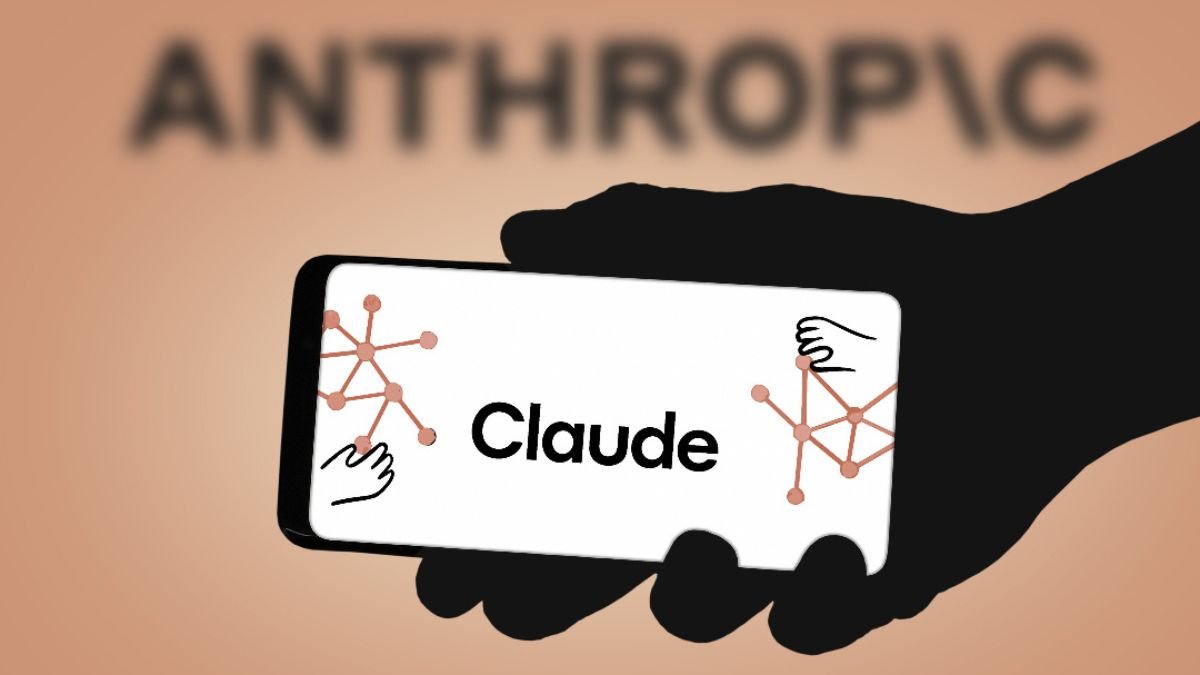
Claude AI offers a distinct answer to this question. Its primary focus is on making the user experience both simple and trustworthy. Claude’s defining feature is its ability to present directly useful options, free from any advertisements or paid promotions.
For instance, if a user searches for a healthy lunch option, Claude automatically integrates relevant platforms—such as Uber Eats, Instacart, or TripAdvisor—to provide appropriate recommendations. The user is not required to explicitly specify which app they wish to use.
This model is grounded entirely in “user utility”—meaning that the options presented are those best suited to you, rather than those for which a company has paid.
Why an Ad-Free Experience Matters
A key differentiator for Claude is its complete absence of pressure from advertisements or paid rankings. As a result, the outcomes users receive are more impartial and trustworthy.
In today’s landscape—where “sponsored” results are increasingly dominating most platforms—this approach could prove to be a significant game-changer. Users gain the assurance that the recommendations they receive have truly been curated to align with their specific needs.
OpenAI’s Distinct Strategy
On the other hand, OpenAI—the creator of ChatGPT—has taken a different path within the realm of AI shopping. Their initial foray was based on an in-app purchasing model, but it failed to achieve the anticipated level of success.
Subsequently, OpenAI shifted its focus toward facilitating purchases through third-party applications. This means that users now utilize the AI to navigate to external platforms to complete their shopping.
While this model may prove commercially lucrative, experts caution that if it prioritizes paid promotions or ranking preferences, it could erode user trust.
User Trust: The Decisive Factor
The future of AI shopping hinges not solely on technological prowess but equally on user trust. If users perceive that they are receiving unbiased recommendations, they will be more inclined to rely on AI. Conversely, if they suspect that results are being displayed based on monetary incentives, they may distance themselves from this technology.
Claude’s model reinforces this trust, whereas OpenAI’s model is currently still in the process of finding this delicate balance.
The Growing Importance of Integration
In today’s digital ecosystem, seamless connectivity between disparate applications is paramount. Claude AI appears to be a step ahead in this regard, as it automatically establishes connections with the appropriate platforms.
This streamlined experience saves users valuable time and simplifies the decision-making process. In the future, this very integration could emerge as the foundational pillar of AI shopping.
The Path Ahead: Who Will Lead the Pack?
The race for AI shopping supremacy is still in its nascent stages, yet it will ultimately determine how we engage in online shopping in the years to come.
- If a “user-first” approach proves successful, platforms like Claude could very well pull ahead of the competition.
- If its commercial model is balanced more effectively, OpenAI, too, could stage a strong comeback.
The ultimate victory will belong to the entity that can deliver a superior experience while simultaneously maintaining user trust.

Conclusion
AI-driven shopping is currently in its nascent stages, yet its trajectory is clear—a simple, fast, and personalized experience. Claude AI has demonstrated that a powerful shopping experience can be crafted even without advertisements or unnecessary complexity. Meanwhile, OpenAI is striving to strike a balance within its own commercial model.
In the times ahead, this rivalry is set to become even more intriguing, and it will have a direct impact on the user experience. The true success of AI shopping will hinge on the extent to which it can understand and address user needs with both integrity and precision.
FAQs
Q. What is Claude AI?
A. Claude AI is an AI assistant developed by Anthropic that focuses on providing helpful and user-friendly experiences, including smart shopping suggestions.
Q. How is Claude AI different from OpenAI’s approach?
A. Claude AI emphasizes user utility without ads, while OpenAI is exploring more commercial models like third-party integrations.
Q. Does Claude AI show paid or sponsored results?
A. No, Claude AI avoids ads and paid placements, aiming to show unbiased and relevant options.
Q. What platforms can Claude AI integrate with?
A. Claude AI can connect with services like Uber Eats, Instacart, and TripAdvisor to provide seamless recommendations.
Q. Why is user trust important in AI shopping?
A. User trust ensures people rely on AI recommendations, especially when results are unbiased and based on real needs rather than promotions.