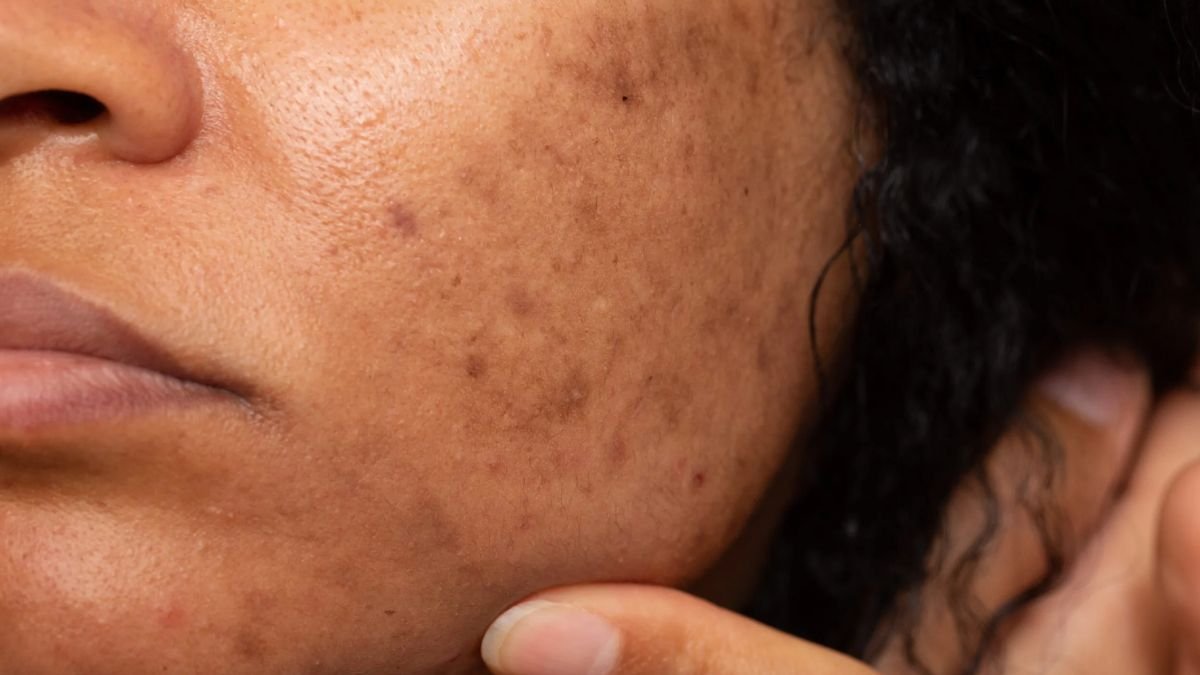
If dark spots, tanning, or uneven skin tone are making your skin look dull, you’ve probably come across kojic acid while searching for a skincare solution. It has become a popular ingredient in brightening products because of its ability to target excess pigmentation and help the skin appear more even-toned.
But does kojic acid really work for dark spots? Can it remove a stubborn tan? And is it suitable for everyday skincare?
The short answer is that kojic acid can be useful, especially when pigmentation is the main concern, but it needs to be used correctly. Here’s a simple, practical look at the benefits, uses, limitations, and precautions you should know before adding it to your routine.
What Is Kojic Acid?
Kojic acid is a naturally derived compound produced during the fermentation of certain foods, including rice used in traditional Japanese fermentation processes. In skincare, it is mainly valued for its skin-brightening properties.
What makes kojic acid interesting is its effect on melanin production, the pigment responsible for much of our skin, hair, and eye color. By interfering with an enzyme involved in melanin formation, kojic acid can help reduce the appearance of excess pigmentation over time.
You’ll commonly find it in serums, creams, soaps, cleansers, and spot treatments. However, the formulation matters just as much as the ingredient itself. A well-formulated product can be more useful and gentler than simply choosing the strongest product available.
Kojic Acid for Dark Spots
One of the biggest reasons people use kojic acid is to deal with dark spots. These may appear after acne, sun exposure, inflammation, or other forms of skin irritation.
With consistent use, kojic acid may help make these areas look lighter and gradually reduce the contrast between dark spots and the surrounding skin. It doesn’t usually produce an overnight transformation, though.
If you’re dealing with post-acne marks, patience is important. Depending on the cause and depth of pigmentation, visible improvement can take several weeks. Using too much product in an attempt to speed things up can actually irritate your skin and make pigmentation more noticeable.
Can Kojic Acid Help Remove a Tan?
Kojic acid can be helpful when your skin has become darker or uneven-looking after sun exposure. However, it is more accurate to say that it helps reduce excess pigmentation rather than literally removing a tan.
A tan is your skin’s response to ultraviolet exposure, which increases melanin production. Kojic acid may gradually help reduce the appearance of this excess pigment, but preventing further sun exposure is equally important.
This is why sunscreen should always be part of a pigmentation-focused skincare routine. Without adequate sun protection, new pigmentation can continue developing while you are trying to fade existing marks.
Kojic Acid May Help Improve Uneven Skin Tone
Not all pigmentation appears as obvious dark spots. Sometimes the skin simply looks patchy, dull, or uneven.
Kojic acid can be useful in routines designed to improve the appearance of uneven pigmentation. With regular application, areas of excess pigmentation may gradually become less noticeable, giving the complexion a more balanced appearance.
This is particularly appealing if you don’t want to use multiple complicated products. A carefully formulated kojic acid product can become one targeted step in a simple skincare routine.
Still, the goal should be more even-looking skin, not changing your natural skin color. Healthy skincare is about addressing unwanted pigmentation while maintaining your skin’s natural appearance.
It Can Be Useful for Post-Acne Marks
Those brown marks left behind after a breakout can sometimes be more frustrating than the acne itself. These marks are often caused by post-inflammatory hyperpigmentation and can take time to fade naturally.
Kojic acid may help by targeting the excess pigmentation responsible for the darker appearance. This makes it an ingredient worth considering if your main concern is lingering brown or dark marks after acne.
However, if you still have active acne, don’t focus only on fading marks. Preventing new breakouts and avoiding picking or squeezing pimples can help reduce the chance of developing additional pigmentation.
Kojic Acid Doesn’t Mean “Whiter” Skin
There is a lot of confusing language surrounding skin-lightening products. Kojic acid is better understood as a pigmentation-targeting and brightening ingredient, rather than a product designed to change your natural skin color.
Its purpose is to help reduce the appearance of excess melanin in areas where pigmentation has become more noticeable.
The healthiest approach is to aim for a clearer and more even complexion rather than trying to achieve an unrealistic shade of skin. Your natural skin tone is not something that needs to be “fixed.”
How to Use Kojic Acid in Your Routine
If you’re new to kojic acid, starting slowly is usually a better approach than immediately using it every day.
Depending on the product, you may apply it after cleansing and before moisturizing. Always follow the directions provided with the specific formulation because concentrations and instructions can vary.
- A basic routine could look like this:
- Morning: Cleanser → Moisturizer → Broad-spectrum sunscreen
- Evening: Cleanser → Kojic acid product → Moisturizer
If your skin is sensitive, start with less frequent application and see how your skin responds. Avoid applying it to broken, irritated, or freshly exfoliated skin.
Also, don’t assume that combining several strong brightening or exfoliating ingredients will produce faster results. Sometimes a simpler routine is actually more effective because your skin can tolerate it consistently.
Sunscreen Is Essential
If you remember only one thing from this guide, make it this: don’t skip sunscreen when treating pigmentation.
Sun exposure can worsen existing dark spots and contribute to new pigmentation. That can make it difficult to see the benefits of any brightening ingredient.
Use a broad-spectrum sunscreen during the day and reapply when appropriate, particularly when spending extended time outdoors. Hats, shade, and protective clothing can also provide additional protection.
Think of it this way: kojic acid can help you work on existing pigmentation, while sun protection helps prevent the problem from continually coming back.
Possible Side Effects and Precautions
Kojic acid isn’t automatically suitable for every skin type. Some people may experience dryness, redness, itching, burning, or irritation, particularly if the product is too strong or used too frequently.
If your skin barrier is already irritated, introducing a new active ingredient may make things worse. That’s why patch testing a new product can be a sensible precaution.
It’s also important to avoid applying kojic acid close to the eyes or on damaged skin unless the product specifically says it is suitable for those areas.
If you experience persistent irritation, stop using the product and allow your skin to recover. For stubborn or widespread pigmentation, a dermatologist can help determine the underlying cause and recommend appropriate treatment.
Is Kojic Acid Worth Trying?
So, is kojic acid worth adding to your skincare routine? If your main concerns are dark spots, post-acne pigmentation, uneven tone, or sun-related pigmentation, it can be a useful ingredient to consider.
The biggest mistake is expecting instant results. Pigmentation generally takes time to improve, and consistency matters more than using excessive amounts.
A good routine doesn’t need to contain ten different brightening ingredients. Start with a well-formulated product, introduce it gradually, moisturize regularly, and most importantly, protect your skin from the sun.
Final Verdict
Kojic acid has earned its place in the skincare world because it targets one of the key processes involved in excess pigmentation. It may help fade the appearance of dark spots, improve uneven-looking skin tone, and gradually reduce the appearance of pigmentation associated with sun exposure and acne marks.
However, it isn’t a magic eraser for tanning or pigmentation. Results depend on the cause of the discoloration, the formulation you use, your skin’s tolerance, and how consistently you protect your skin from UV exposure.
If you’re looking for a straightforward brightening ingredient, kojic acid can be worth considering. Just remember that gentle, consistent skincare usually beats aggressive treatment. Give your skin time, keep your routine balanced, and don’t forget the sunscreen.