Many people believe sunscreen is only necessary during hot summer days. Once winter arrives, sunscreen often disappears from daily skincare routines. However, dermatologists in Australia are now strongly recommending SPF 70 even during colder months. This advice may sound surprising at first, but there are several important reasons behind it. Australia experiences some of the strongest ultraviolet (UV) radiation levels in the world, and winter weather does not completely protect the skin from sun damage.
Modern skincare experts now focus more on year-round skin protection instead of seasonal protection. SPF 70 is becoming popular because it provides higher defense against harmful UV rays, premature aging, pigmentation, and long-term skin damage. Here are ten important reasons why Australian dermatologists recommend SPF 70 during winter months.
UV Rays Are Still Strong During Winter
One of the biggest misconceptions about winter skincare is that sunlight becomes harmless in cold weather. In reality, ultraviolet rays remain active throughout the year. Even when the air feels cool and the sky appears cloudy, UV radiation can still penetrate the skin.
Australian dermatologists explain that UVA rays, which are responsible for skin aging and collagen breakdown, remain consistent during winter. These rays can pass through clouds and windows, meaning indoor exposure is also possible. SPF 70 provides stronger protection against this invisible daily damage, especially for people who spend long hours outdoors or near windows.
Australia Has Extremely High UV Levels
Australia is known for having one of the harshest UV environments in the world. The country’s geographical location, climate, and thinner ozone layer contribute to stronger sun exposure compared to many other regions.
Because UV intensity remains relatively high even during winter, dermatologists believe stronger sunscreen formulas are necessary. SPF 70 helps reduce the amount of UV radiation reaching the skin, lowering the risk of sunburn, pigmentation, and long-term damage. Experts now recommend treating sunscreen as an everyday health essential rather than a seasonal beauty product.
Winter Sun Can Cause Hidden Skin Damage
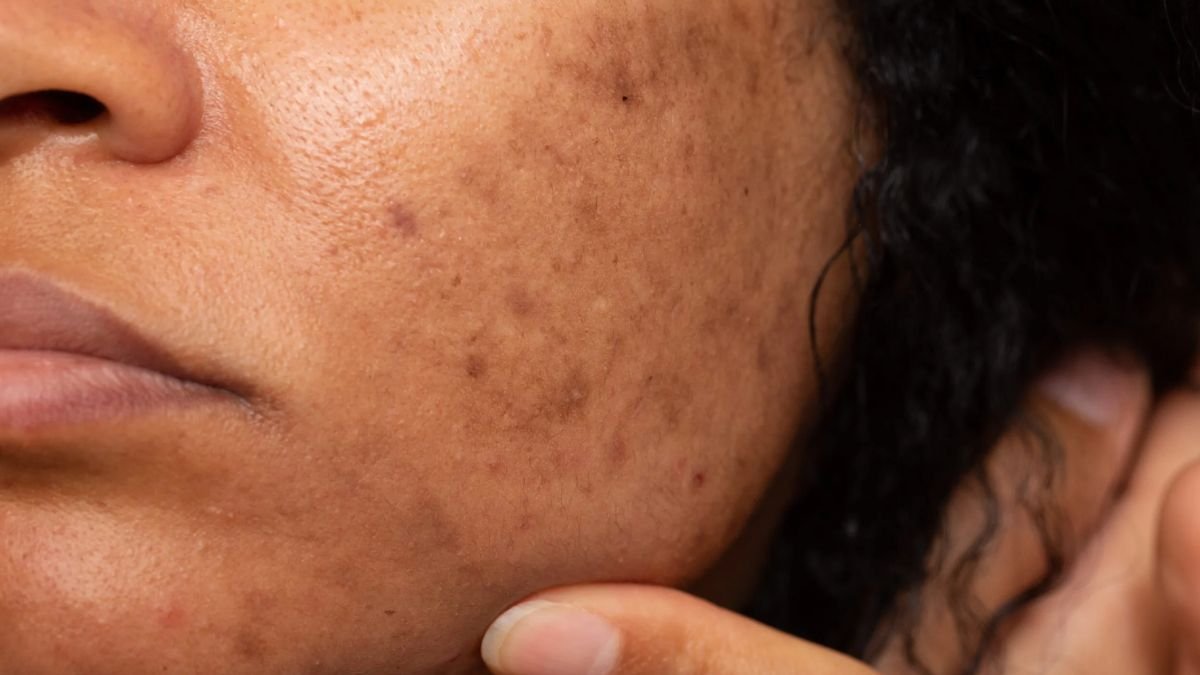
Many people only notice sun damage when they develop redness or sunburn. However, much of the damage caused by UV exposure happens silently beneath the skin’s surface. Winter sunlight can slowly contribute to fine lines, wrinkles, dark spots, and uneven skin tone over time.
Australian skin experts often warn that repeated low-level exposure adds up over the years. SPF 70 offers an extra layer of defense, helping to prevent this gradual damage before it becomes visible. This is especially important for people trying to maintain youthful and healthy-looking skin.
Higher SPF Gives Longer Protection.
Another reason dermatologists recommend SPF 70 is because people rarely apply sunscreen correctly. Most individuals use far less sunscreen than the recommended amount, which significantly lowers the actual level of protection.
A higher SPF formula provides a better safety margin for imperfect application. While no sunscreen blocks 100% of UV rays, SPF 70 filters slightly more UVB radiation compared to lower SPF options. Dermatologists believe this extra protection becomes useful during daily activities such as driving, walking outdoors, or sitting near sunlight for extended periods.
Winter Skin Becomes More Sensitive
Cold weather often causes dryness, irritation, and weakened skin barriers. During winter, the skin loses moisture more easily, making it more vulnerable to environmental stress and UV exposure.
Sensitive winter skin may react more strongly to sunlight, especially after using active skincare ingredients like retinol, exfoliating acids, or acne treatments. SPF 70 helps protect delicate skin while reducing the chances of redness, irritation, and post-inflammatory pigmentation. Dermatologists often recommend combining high-SPF sunscreen with hydrating skincare products for better winter skin health.
SPF 70 Helps Prevent Premature Aging.
One of the leading causes of premature aging is unprotected sun exposure. Dermatologists frequently mention that wrinkles, sagging skin, and loss of elasticity are strongly linked to UV damage rather than age alone.
Even during winter, UVA rays continue breaking down collagen and elastin fibers inside the skin. Over time, this can create visible signs of aging much earlier than expected. SPF 70 acts as a protective shield that helps preserve smoother, firmer, and healthier-looking skin. This is one reason many skincare professionals encourage sunscreen use every single day regardless of the season.
Outdoor Winter Activities Increase Exposure
Winter does not always mean staying indoors. Many Australians continue outdoor activities such as hiking, sports, beach walks, cycling, and road trips during cooler months. Reflection from surfaces like water, sand, and even bright buildings can intensify UV exposure.
Some people mistakenly skip sunscreen because the weather feels less hot, but UV radiation can still affect exposed skin. Dermatologists recommend SPF 70 for people who spend long periods outside during winter, especially between late morning and afternoon when UV levels are stronger.
Modern SPF 70 formulas feel lightweight.
In the past, high-SPF sunscreens were often thick, greasy, and uncomfortable to wear daily. Today, skincare technology has improved significantly. Many modern SPF 70 products are lightweight, non-sticky, and designed for daily use under makeup or skincare.
Australian dermatologists now prefer formulas that combine strong sun protection with comfortable wearability. Many new sunscreens also include hydrating ingredients, antioxidants, and skin-soothing components that support overall skin health during dry winter months.
Skin Cancer Prevention Remains a Priority
Australia has one of the highest rates of skin cancer in the world, which is why dermatologists strongly promote sun protection habits. Consistent sunscreen use plays a major role in reducing the risk of harmful UV-related skin conditions.
Even small amounts of repeated sun exposure can contribute to skin cell damage over time. SPF 70 provides enhanced UVB protection, helping reduce the chances of long-term skin issues. Dermatologists often emphasize that prevention is far easier and safer than treating severe skin damage later in life.
Daily sunscreen is now part of modern skincare.
Skincare trends have changed dramatically over the years. Sunscreen is no longer viewed as just a beach-day product. It has become one of the most important steps in modern skincare routines.
Australian dermatologists now encourage people to use sunscreen every morning just like moisturizer or cleanser. SPF 70 is increasingly recommended for individuals living in high-UV environments or using active skincare treatments. Consistent protection helps maintain clearer, healthier, and more even-toned skin throughout the year.
Final Thoughts
The growing recommendation for SPF 70 during winter reflects a deeper understanding of year-round UV exposure and skin health. Australian dermatologists recognize that winter sunlight still contributes to aging, pigmentation, dryness, and long-term skin damage. Higher SPF products provide stronger everyday defense, especially in a country with intense UV radiation levels.
Using SPF 70 does not mean living in fear of the sun. Instead, it means protecting the skin intelligently while enjoying daily life with confidence. Modern sunscreens are now comfortable, lightweight, and easy to include in a regular skincare routine. Whether the weather is hot, cold, sunny, or cloudy, consistent sun protection remains one of the best investments for healthy and youthful-looking skin.