
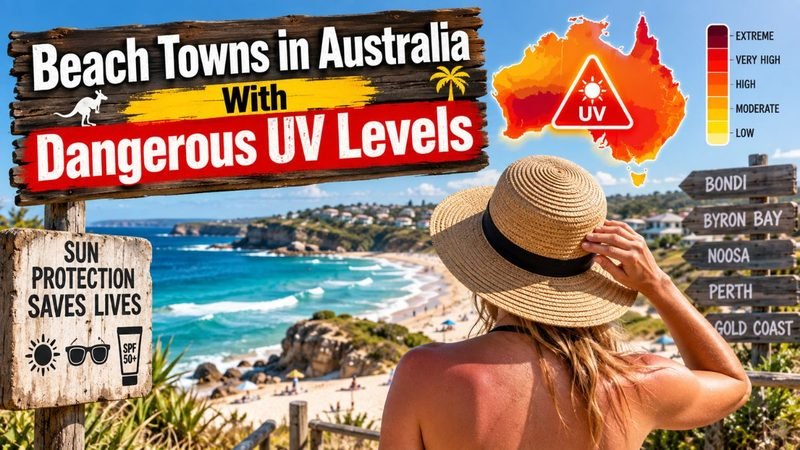
Australia is famous for its beautiful beaches, relaxed coastal lifestyle, and year-round outdoor culture. From morning walks along the sand to weekend swims and long afternoons by the ocean, spending time outdoors is a major part of life in many Australian towns. But there is another side to this lifestyle that is easy to overlook: intense ultraviolet (UV) radiation. Australia experiences some of the world’s highest levels of UV exposure, and coastal locations can make it particularly easy to spend hours outdoors without realizing how much sun your skin is receiving. For beachgoers, understanding where UV exposure can become especially intense is an important part of protecting long-term skin health.
Why Australian Beach Towns Can Have High UV Levels
The first thing to understand is that beautiful weather does not necessarily mean safe weather for your skin. UV radiation can be strong even when temperatures feel comfortable or when there are clouds in the sky. Australia’s location, relatively clear skies, and outdoor lifestyle all contribute to significant UV exposure. Beach environments can add another concern because sand and water reflect some UV radiation, increasing the amount of sunlight reaching exposed skin. This means someone relaxing under the sun may receive more exposure than they realize, particularly when spending several hours swimming, walking, surfing, or sitting near the water.
The Sunshine Coast and Its Strong Outdoor Exposure
Queensland’s Sunshine Coast is one of Australia’s most popular beach destinations, known for places such as Noosa, Mooloolaba, and Maroochydore. The region attracts visitors who spend significant amounts of time outdoors, whether they are surfing, swimming, hiking, or enjoying the coastline. Its warm climate can make sun protection easy to forget because people often associate the heat with the need for shade but may not recognize the separate danger posed by UV radiation. Regular beach visitors can accumulate substantial exposure over time, making sunscreen, protective clothing, hats, and shade particularly important.
The Gold Coast’s Beach Lifestyle Comes With a UV Warning
The Gold Coast is another famous Australian coastal region where outdoor activities are part of everyday life. Its long stretches of sandy beaches attract residents and tourists throughout the year. Surfers, runners, swimmers, and families can spend hours outside, often during periods when UV levels are elevated. The combination of strong sunlight, reflective surfaces, and prolonged outdoor activity means people can quickly develop sunburn if they are not protected. The important lesson is that a beach day should not be judged only by how hot it feels. Checking the UV index before heading outdoors can provide a much better indication of the potential risk.
Northern Beaches Around Sydney Deserve Attention
Sydney’s famous coastal areas, including the Northern Beaches, are another reminder that high UV exposure is not limited to tropical Australia. Beaches such as Manly, Dee Why, and Palm Beach attract people throughout the year, and many visitors spend long periods outdoors. Even during cooler months, UV radiation can remain strong enough to affect unprotected skin. This is particularly relevant for people who assume that a mild or slightly cloudy day means they can skip sunscreen. The temperature may be comfortable while UV radiation remains high, which is why sun protection should be based on the UV Index rather than temperature alone.
Western Australia’s Coastal Areas Can Be Intense
Western Australia is home to spectacular coastal destinations, including areas around Perth and further north. The state’s sunny climate and extensive coastline encourage plenty of outdoor activity, but they also create opportunities for substantial UV exposure. Perth residents, for example, regularly enjoy beaches for swimming, walking, sports, and social gatherings. Spending an entire afternoon outdoors without adequate protection can result in significant exposure. For visitors exploring Western Australia’s beaches, carrying sunscreen and protective clothing should be treated as part of normal beach preparation rather than something reserved for exceptionally hot days.
Why Sand and Water Make Beach Exposure Different
One reason beach environments deserve extra attention is the presence of reflective surfaces. Water and sand can reflect UV radiation toward the body, meaning shade from one direction does not necessarily eliminate exposure. A person sitting near the shoreline may still receive reflected radiation from surrounding surfaces. This is one reason beach umbrellas alone should not be considered complete protection. Combining shade with clothing, a broad-brimmed hat, sunglasses, and sunscreen offers a much stronger approach. It is also worth remembering that sunscreen can wear off through swimming, sweating, and towel drying, so it needs to be reapplied according to the product’s directions.
The UV Index Matters More Than the Temperature
One of the biggest mistakes people make is using temperature as a guide for deciding whether they need sun protection. A pleasant 22°C beach day can still involve considerable UV exposure. The UV Index is a more useful measure because it specifically indicates the strength of ultraviolet radiation reaching the ground. When the index reaches levels where sun protection is recommended, people should take practical steps to reduce direct exposure. Checking the day’s UV forecast before going to the beach can help people choose safer times for outdoor activities, especially when planning several hours in the sun.
Morning and Afternoon Are Not Always Automatically Safe
It is common to assume that early morning or late afternoon beach visits are always safe because the sun feels less intense. While UV levels generally vary throughout the day, the safest approach is to check the actual UV forecast rather than relying only on the position or warmth of the sun. Around the middle of the day, UV exposure is often particularly strong, so reducing time in direct sunlight during peak periods can make a meaningful difference. Planning a walk, surf, or other outdoor activity for a lower-UV period, when practical, can be a simple way to reduce cumulative exposure.
Sun Protection Should Be More Than Just Sunscreen
Sunscreen is useful, but it should not be the only defense against strong UV radiation. Dermatologists and health authorities generally encourage a combination of protective strategies. This can include spending time in shade, wearing clothing that covers more skin, using a broad-brimmed hat, protecting the eyes with suitable sunglasses, and applying broad-spectrum sunscreen to exposed areas. Reapplication is also important, particularly after swimming or heavy sweating. These habits may seem simple, but they become especially valuable for people who regularly live near or visit Australian beaches.
Enjoy the Beach Without Ignoring Your Skin
Australia’s coastal lifestyle is something worth enjoying, and the message is not that people should avoid beaches altogether. Instead, awareness can make outdoor activities much safer. Whether you’re visiting the Gold Coast, enjoying the Sunshine Coast, exploring Sydney’s beaches, or spending time along Western Australia’s coastline, paying attention to UV conditions can help reduce unnecessary exposure. Sunburn is an obvious warning sign, but the effects of repeated UV exposure can build over many years. Making sun protection a normal part of every beach outing is therefore a practical investment in long-term skin health.
Final Thoughts
Australian beaches offer some of the country’s most enjoyable outdoor experiences, but they also come with a UV exposure risk that should not be underestimated. Coastal areas can encourage people to stay outside for hours, while sand and water may increase reflected exposure. The good news is that protecting your skin does not require giving up the beach lifestyle. Checking the UV index, seeking shade, wearing protective clothing, using sunscreen correctly, and avoiding unnecessary exposure during periods of high UV can all make a difference. The next time you plan a beach day, remember that the temperature tells only part of the story. The UV Index is the number worth checking before you step onto the sand.