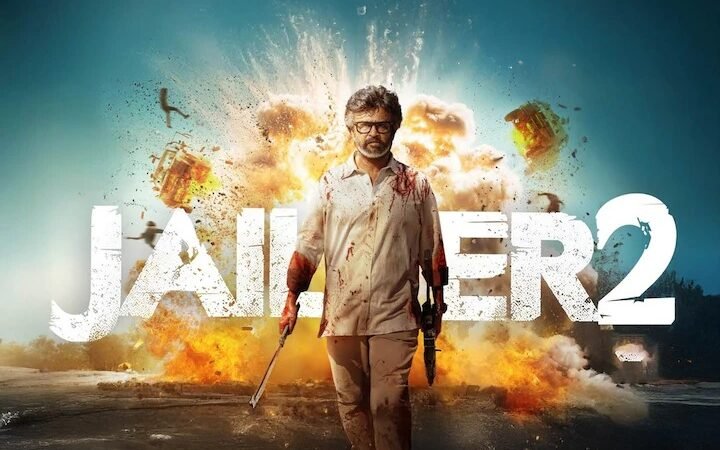
This Madras High Court order is significant for the Tamil and Kannada film industries regarding copyright protection. On October 13, 2026, Justice P.B. Balaji issued an interim injunction in separate cases filed by Sun TV Network Limited and KVN Productions LLP. The order restrains the screening or distribution of Rajinikanth’s ‘Jailer 2’ and Shiva Rajkumar’s ‘Bail’ on websites and other digital platforms without authorization. Both production houses had approached the court to safeguard the copyrights of their respective films.
It is important to note here that the court’s order is directed against illegal or unauthorized screenings. This does not mean that the standard, authorized theatrical release of films has been banned. The objective is to protect the rights of producers and prevent the screening of films via digital platforms that lack the authorization to do so.
Rajinikanth’s Jailer 2: Why was legal protection sought before the release?
There is considerable excitement among audiences regarding Rajinikanth’s ‘Jailer 2’. It is the sequel to the 2023 film ‘Jailer 2’ and is directed by Nelson Dilipkumar. The film is produced by Sun TV Network Limited. Legal action was initiated ahead of its scheduled release date of October 15, 2026, to secure timely legal protection against unauthorized online streaming.
According to reports, the producers expressed concern in court that pirated copies of the film could appear on websites or other digital platforms shortly after its release. This could adversely affect the film’s commercial performance and copyright. The producer’s counsel requested an early copy of the order so it could be served to the relevant telecommunications companies and cable operators. The court registry was directed to issue a web copy of the interim order.
Shivarajkumar Bail: Kannada film also receives protection
Another significant aspect of this matter involves the Kannada film ‘Jailer 2’, starring Shivarajkumar in the lead role. The film is directed by Pavan Wadeyar and produced by KVN Productions LLP. According to available reports, the film was released in theaters on October 2, 2026. Subsequently, the producer filed a lawsuit in court on October 8, alleging copyright infringement.
Regarding the bail matter, the court also issued an interim stay on digital screening without permission. The objective is to protect the film’s copyright holders against online broadcasts undertaken without the producers’ consent. This order does not impose a general ban on the authorized distribution of the film; rather, it provides legal protection against unauthorized screenings and digital dissemination.
Madras High Court Order: Role of Telecom Companies and Digital Platforms
In copyright-related matters, a court order cannot be limited solely to the dispute between the producer and the alleged infringer. When a film is streamed on the internet without authorization, the roles of relevant websites, digital services, telecommunications companies, or other intermediaries can also be significant. In this instance, the producers emphasized the need to communicate the order to the concerned service providers so that necessary steps could be taken to halt the dissemination of unauthorized content.
According to the report, the court directed the immediate release of the web copy of the interim order. This could help convey the order’s details to the concerned parties. However, separate confirmation is required regarding whether a specific website has actually been blocked or if a service provider has completed the action. The court order and the subsequent technical measures implemented are two distinct stages.
Unauthorized Movie Screening: How does online piracy harm the film industry?
Film production involves significant expenditure on the story, cast, technical team, filming, music, post-production, and promotion. Following the release, producers and distributors aim to recoup their costs and generate revenue through authorized cinema halls and licensed digital platforms. If an individual or website makes the entire film—or a substantial portion of it—available without permission, it can adversely affect the commercial interests of the copyright holders.
However, figures regarding the financial loss caused by piracy to a specific film should only be cited when a reliable source confirms that loss. In the cases of ‘Jailer 2’ and ‘Bail’, the primary objective of the court proceedings is to prevent unauthorized screening and protect the producers’ rights. It would be incorrect to claim that the court has adjudicated a specific monetary loss unless the order or a reliable report explicitly states so.
For viewers, too, watching the film through authorized channels is the better option. This supports the work of filmmakers, artists, and the technical team, while also avoiding potential security and privacy issues associated with unauthorized websites.
What are copyright protection and a John Doe suit?
In this matter, the producers resorted to ‘John Doe’ legal action to seek relief against unknown individuals or entities as well. Simply put, when the identities of potential infringers are not fully known beforehand, relief can be sought from the court—under certain circumstances—that applies even to unidentified parties engaged in unauthorized activity. This approach can be utilized in cases such as copyright infringement.
The purpose of such an order is to provide a legal basis to prevent the dissemination of potentially pirated copies. However, the actual scope of the order is determined by the specific lawsuit and the court’s written directives. Therefore, it would be incorrect to assume that any specific action has automatically been taken against every website or user on the internet. Measures taken against specific websites or services would need to be verified separately.
Jailer 2 Latest News: What happens next?
The scheduled release date for ‘Jailer 2’ is October 15, 2026; therefore, the timing of the interim order issued prior to the release is crucial. The producers can now initiate legal proceedings to prevent unauthorized online screenings by serving the order to the relevant service providers. The objective here—as in the ‘Bail’ case—is to ensure that no digital screening or distribution takes place without the permission of the film’s copyright holders.
An interim order should not be equated with a final verdict; it is a form of temporary legal relief granted during the course of litigation. In subsequent proceedings, the court may consider the relevant claims and available material. At this stage, the most crucial aspects are how the order is implemented and whether the dissemination of unauthorized material can be effectively prevented. Information regarding any further legal decisions or actions should be published only after verification through reliable reports or court orders.
Conclusion
In the matter concerning ‘Jailer 2’, the Madras High Court has issued an interim injunction restraining the unauthorized online screening or digital distribution of Rajinikanth’s ‘Jailer 2’ and Shivarajkumar’s ‘Bail’. This action follows separate copyright lawsuits filed by the producers of both films. The order is particularly significant as it comes ahead of the scheduled release of ‘Jailer 2’. Moving forward, the crucial steps will involve serving the order to the relevant service providers and preventing unauthorized screenings.
This case underscores the importance of copyright protection and legal action against digital piracy in the film industry. Readers should note that the court has restrained illegal or unauthorized screenings, not the standard authorized release of films.